India has activated a comprehensive response to the West Asia crisis, ensuring LPG and fuel stability, enhanced enforcement against hoarding, accelerated PNG transitions, protected retail prices, safe maritime operations, and repatriation of nearly 8.97 lakh nationals.
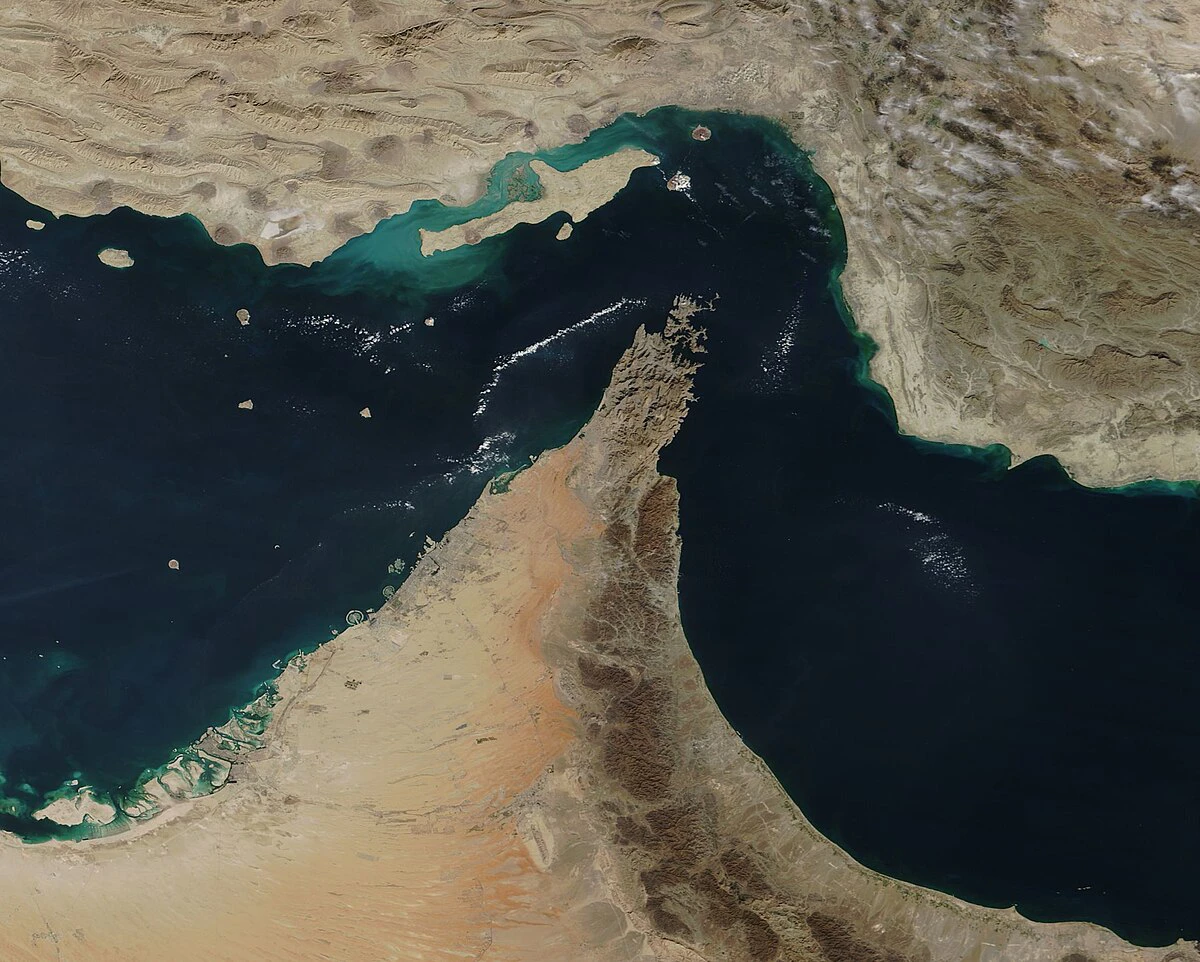
NEW DELHI — As the geopolitical situation in West Asia continues to escalate — with significant consequences for the Strait of Hormuz — the Government of India has activated a comprehensive, coordinated national response spanning energy security, maritime operations, and the safety of Indian nationals in the affected region. Ministries across the board are working in tandem, issuing regular public advisories and undertaking enforcement measures to maintain stability on the home front.
The Ministry of Petroleum and Natural Gas (MoPNG) has made the uninterrupted supply of petroleum products and Liquefied Petroleum Gas (LPG) its foremost priority. High-priority institutions such as hospitals and educational facilities have been insulated from any supply disruptions. Amid concerns over consumer sentiment, public advisories have been issued urging citizens to refrain from panic-buying petrol, diesel, and LPG, and to rely only on official sources for information. Citizens are being encouraged to use digital platforms for LPG bookings and to shift toward alternate fuels such as Piped Natural Gas (PNG) or electric and induction cooktops.
On the supply side, the government has enhanced refinery production and extended the minimum LPG booking gap from 21 to 25 days in urban areas and up to 45 days in rural areas. The Ministry of Coal has directed Coal India and Singareni Collieries to supply additional coal to states for distribution among small and medium consumers. A supplementary allocation of 48,000 KL of kerosene has also been provided to states and Union Territories above their regular quotas, with 18 States and UTs having already issued allocation orders.
State governments have been empowered under the Essential Commodities Act of 1955 and the LPG Control Order of 2000 to take strict action against hoarding and black marketing. Following high-level review meetings chaired by the Secretary of MoPNG on April 2 and April 6, states were directed to monitor and counter misinformation on social media and intensify daily enforcement drives. On April 11 alone, more than 2,700 raids were conducted nationwide. PSU Oil Marketing Companies have carried out surprise inspections, resulting in penalties on 219 LPG distributorships and the suspension of 56 distributorships to date. Currently, 24 States and UTs are issuing daily press briefings to reassure the public.
Officials confirm there have been no LPG dry-outs at any distributorship. Online bookings now account for approximately 98% of total industry bookings, while Delivery Authentication Code-based deliveries have reached around 93%, curbing illegal cylinder diversion. On April 11, more than 52.3 lakh domestic LPG cylinders were delivered across the country.
Commercial LPG allocation has been stabilised at approximately 70% of pre-crisis levels, coordinated by a dedicated three-member committee of executive directors from IOCL, HPCL, and BPCL. Since March 14, a total of 1,20,898 MT of commercial LPG — equivalent to over 63.6 lakh 19-kg cylinders — has been sold.
Recognising the particular vulnerability of migrant labourers, the daily availability of 5-kg Free Trade LPG cylinders for this group has been doubled. Around 3,300 specialised awareness camps have been organised over the last eight days. Since March 23, more than 13 lakh such cylinders have been sold, with daily sales on April 11 exceeding 1 lakh — a sharp rise from the February daily average of 77,000.
The crisis has sharply accelerated India's pivot toward natural gas. Domestic PNG and CNG consumers are receiving 100% supply. Effective April 9, gas allocation to fertilizer plants was enhanced by 5%, bringing them to approximately 95% of their six-month average consumption. City gas distribution entities including IGL, MGL, GAIL Gas, and BPCL are being prioritised for commercial establishments to offset LPG shortfalls.
States and UTs successfully facilitating the LPG-to-PNG transition are being offered an additional 10% commercial LPG allocation as incentive, with 21 States and UTs currently receiving this bonus. Since March 2026, over 4.24 lakh PNG connections have been gasified, more than 4.66 lakh new customers have registered, and over 30,000 consumers have surrendered their LPG connections through the MYPNGD.in portal.
To accelerate infrastructure rollout, the Ministry of Road Transport and Highways has adopted an Accelerated Approval Framework for three months for City Gas Distribution applications. A gazette notification issued on March 24 under the Essential Commodities Act also provides a time-bound framework for laying gas pipelines, addressing longstanding land-access delays.
All domestic refineries are operating at high capacities with adequate crude inventories and buffer stocks of petrol and diesel. An April 1 order mandates that refining and petrochemical companies reserve a minimum of 800 MT per day of essential C3 and C4 streams for critical sectors including pharmaceuticals, food distribution, and chemicals.
To shield domestic consumers from the global crude price spike, the government has reduced excise duty on both petrol and diesel by ?10 per litre, keeping retail pump prices unchanged. Simultaneously, a gazette notification dated April 11 raised the export levy on diesel to ?55.50 per litre and on Aviation Turbine Fuel to ?42 per litre to prevent domestic shortages.
The Ministry of Ports, Shipping and Waterways has confirmed that all Indian seafarers in the West Asia region are safe, with zero incidents involving Indian-flagged vessels in the past 24 hours. A 24x7 Shipping Control Room has fielded 6,053 calls and over 12,787 emails since its activation. To date, more than 2,084 Indian seafarers have been repatriated, including 75 in the last 24 hours from various Gulf locations. Port operations across India remain normal with no congestion reported.
The Ministry of External Affairs is maintaining round-the-clock contact with state governments and the Indian diaspora across the Gulf and West Asia. Indian Missions and Posts are running continuous helplines and issuing regularly updated travel and consular advisories.
Since February 28, approximately 8.97 lakh passengers have been brought back to India safely. Flight operations continue wherever airspace permits: limited non-scheduled commercial flights are operating from the UAE with around 95 expected on the day; flights from Saudi Arabia and Oman are running normally; Qatar Airways is expected to operate 8 to 10 flights to India with Qatar's airspace partially open; Indian nationals from Kuwait and Bahrain — whose airspace access is mixed — are being routed overland and via Dammam Airport. Nationals from Iran and Israel, where airspaces remain completely closed, are being routed through Armenia, Azerbaijan, Jordan, and Egypt, while those in Iraq are being routed through Jordan and Saudi Arabia.
The Government of India has affirmed that its efforts will remain focused on the safety, economic security, and welfare of Indian citizens both at home and abroad for the duration of the crisis.