The UK has signed a contract with Rolls-Royce SMR to develop small modular nuclear reactors, launching a major clean energy programme aimed at boosting energy security, creating jobs, and delivering low-carbon power by the mid-2030s.
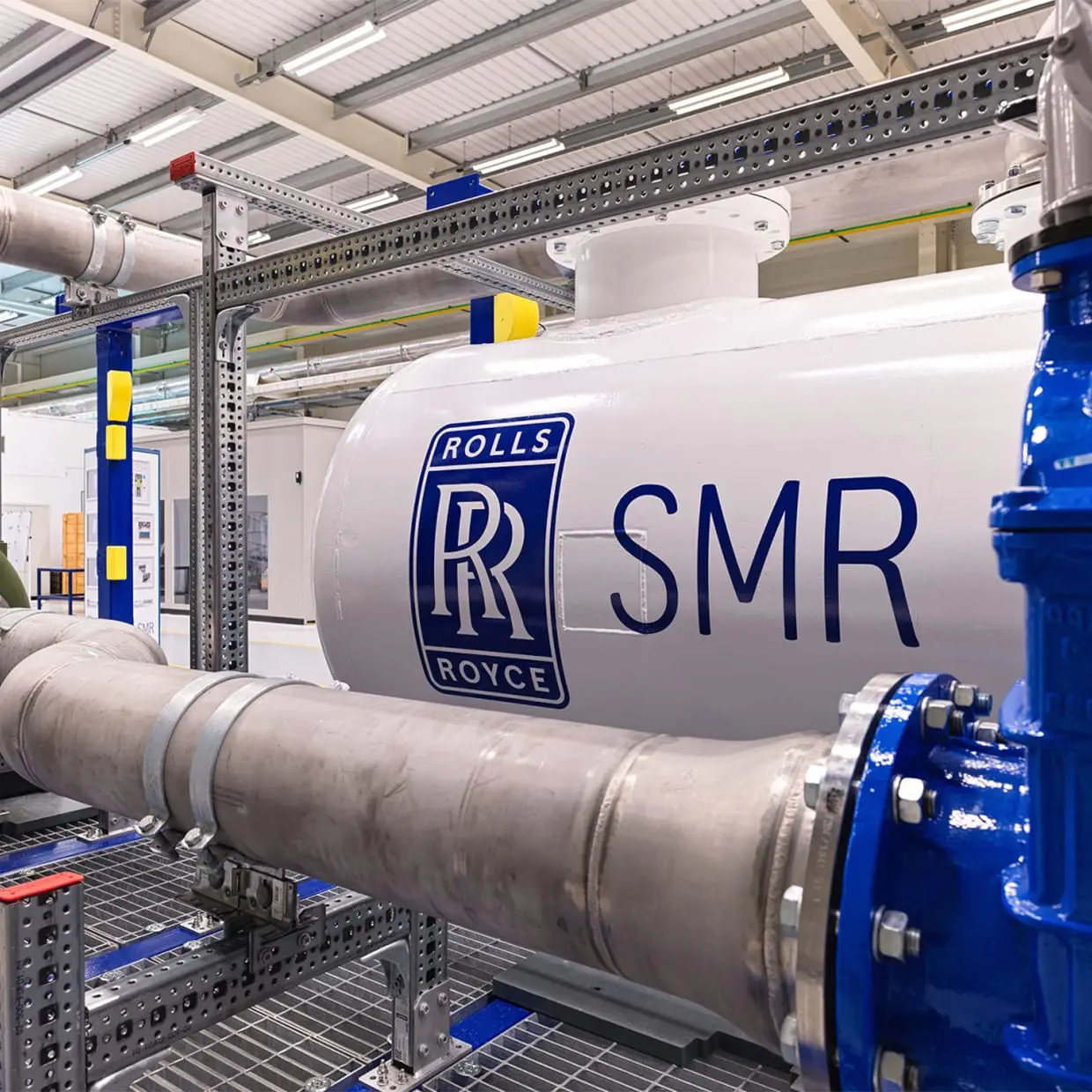
The United Kingdom has formally entered a new phase of its nuclear energy programme, with state-owned Great British Energy – Nuclear signing a contract with Rolls-Royce SMR to begin developing small modular reactors (SMRs), marking a major milestone in the country’s clean energy transition.
The agreement enables immediate work to commence on Britain’s first fleet of SMRs, a next-generation nuclear technology that is expected to deliver low-carbon, reliable power while reducing construction time and costs compared to traditional large-scale nuclear plants.
The contract follows a competitive selection process in which Rolls-Royce SMR was chosen as the preferred bidder to deliver the UK’s first SMR programme. The deal effectively moves the project from planning into execution, with both sides now expected to establish a development company to drive deployment.
UK officials described the agreement as a turning point in ending what they called a long-standing “no-nuclear status quo,” signalling the beginning of the country’s largest nuclear expansion in decades. The SMR rollout is central to the government’s broader strategy to strengthen energy security, cut carbon emissions, and reduce reliance on volatile global energy markets.
Small modular reactors are significantly smaller than conventional nuclear plants and are designed for factory-based manufacturing. This modular approach allows components to be built off-site and assembled quickly, reducing both construction risk and costs.
Each unit is expected to generate around 470 megawatts of electricity, enough to power hundreds of thousands of homes, with multiple units planned to operate as a fleet. The UK government aims to bring these reactors online by the mid-2030s as part of its long-term target to expand nuclear capacity and achieve net-zero emissions.
Beyond energy generation, the project is being framed as a major industrial policy initiative. The SMR programme is expected to create thousands of skilled jobs, revitalise domestic manufacturing, and strengthen the UK’s nuclear supply chain.
Officials have emphasised that a large portion of the supply chain—targeted at around 70%—will be sourced domestically, boosting local industries and regional economies.
The development is also expected to position the UK as a global leader in SMR technology, opening export opportunities as countries worldwide explore similar solutions for clean and secure energy.
The first SMR project is planned for Wylfa in North Wales, a site with a long history of nuclear power generation. The location has been identified as capable of hosting multiple SMR units, potentially forming the backbone of a new nuclear hub.
The initial phase is expected to include up to three reactors, with the possibility of expanding into a larger fleet depending on future policy and investment decisions.
The contract underscores a broader shift in UK energy policy, combining state backing with private-sector innovation to accelerate infrastructure development. Analysts view the move as part of a global race to commercialise SMR technology, with the UK aiming to secure a first-mover advantage.
With construction preparations now underway, the success of the project will depend on regulatory approvals, financing structures, and timely execution. If delivered as planned, the SMR programme could play a critical role in reshaping Britain’s energy landscape over the coming decades.