More than 150 Indigenous peacebuilders, women leaders and youth from 80 countries will convene in New York on April 25–26 for the Second Global Summit on Indigenous Peacebuilding. The summit will launch a Global Network of Indigenous Peacebuilders and call for a UN Decade on Indigenous Peacebuilding
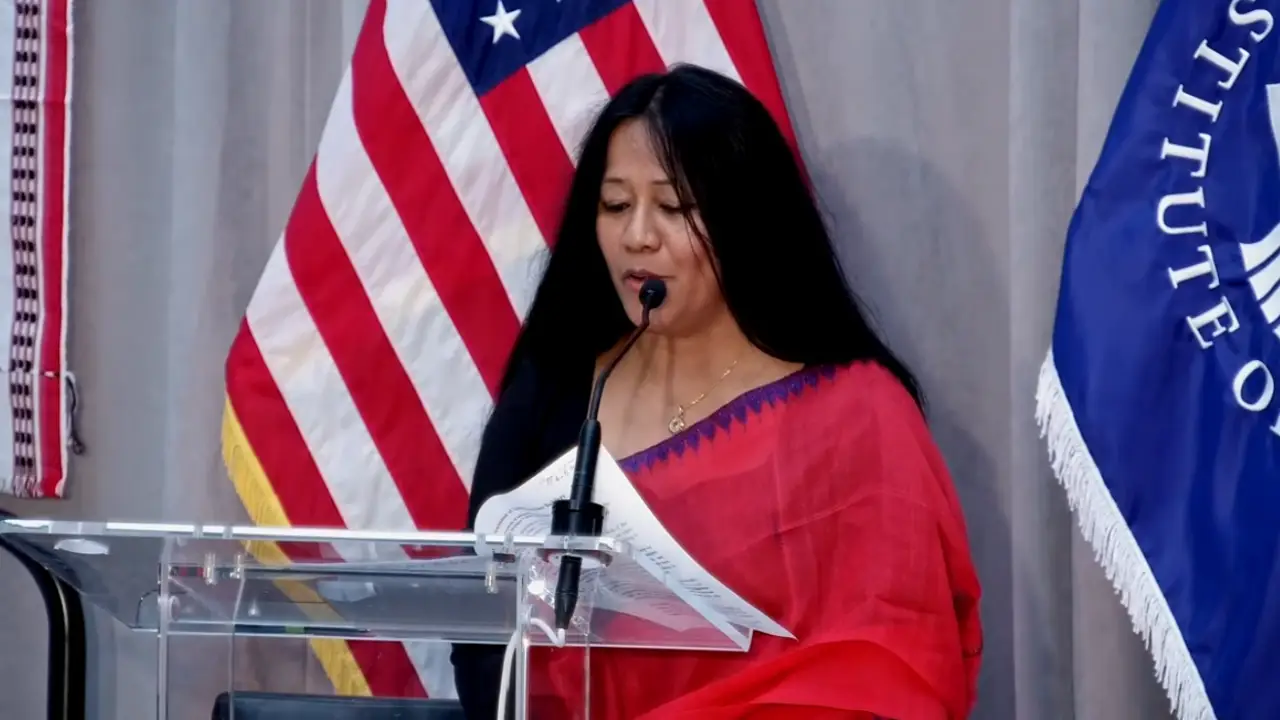
IMPHAL – More than 150 Indigenous peacebuilders, elders, spiritual leaders, mediators, women leaders, and youth representatives from 80 countries will gather in New York City on April 25 and 26, 2026, for the Second Global Summit on Indigenous Peacebuilding. The two-day event, running from 8:30 a.m. to 5:30 p.m. Eastern Time each day, marks a landmark international effort to elevate Indigenous-led approaches to peacebuilding, conflict resolution, and environmental stewardship at what organisers describe as a critical moment for global stability.
The summit is convened by Binalakshmi Nepram, Founder-President of the Global Alliance of Indigenous Peoples, Gender Justice and Peace, and of the Manipur Women Gun Survivors Network. Nepram, who hails from Manipur in northeast India, described the summit as a turning point — a moment to bring Indigenous voices from the margins to the centre of global peace efforts. She stated that Indigenous peoples are offering pathways to peace rooted in centuries of wisdom, dialogue, and coexistence with nature, and called on the world to listen, to learn, and to walk with Indigenous communities toward a future grounded in justice, dignity, and peace for the next seven generations.
The summit's organisers highlight a stark and urgent context: nearly 80 per cent of the world's conflicts today take place in biodiversity-rich regions where Indigenous peoples live. As global demand intensifies for land, energy, and natural resources, Indigenous territories are increasingly becoming frontlines of conflict, resulting in displacement, loss of life, and environmental degradation. The summit is conceived as a direct international response to this reality, seeking to position Indigenous knowledge systems and peacebuilding traditions as vital resources for addressing the deepening instability confronting the international community.
The two-day gathering will feature a series of major global announcements and institutional launches. Chief among them is the establishment of a Global Network of Indigenous Peacebuilders, Mediators and Negotiators — a formal structure aimed at engaging governments, corporations, and conflict actors in Indigenous-led dialogue and mediation processes.
Organisers will also call upon the United Nations and governments worldwide to declare 2027 to 2037 as the International Decade on Indigenous Peacebuilding, a proposal that would embed Indigenous peacebuilding within the UN's multilateral framework over the coming decade. Alongside this, the summit will call for the creation of a Peace Caucus at the United Nations to serve as a dedicated platform for Indigenous voices in international peace processes.
An additional initiative to be launched at the summit is the Indigenous Mothers' March for Peace, Healing and Global Unity — a global movement led by Indigenous women that will travel worldwide over the next two years. The summit will also issue a collective call to reduce armed conflicts by 50 per cent through prevention, dialogue, and Indigenous-led peace processes.
Manal Taha, a woman peace mediator from Sudan, emphasised that Indigenous peoples have upheld systems of peace rooted in respect, responsibility, and balance with the natural world for generations, and that at a time of intensifying global conflicts it is essential that these approaches are recognised and embraced. She described the summit as an important step toward bringing Indigenous diplomacy and leadership into global peace processes.
Adam Kuleit Ole M Lemareka, a Maasai Elder from Tanzania, affirmed that true peace cannot exist without justice, without recognition of rights, and without respect for cultures and lands. He described the summit as a powerful step toward ensuring that Indigenous voices shape the global agenda for peace and reconciliation.
Sara Olsvig, Chair of the Inuit Circumpolar Council, connected the summit's mission to the specific realities of Arctic peoples, stressing that protecting the rights of Indigenous peoples is inseparable from global peacebuilding. She stated that Arctic peoples have protected their region for time immemorial, and insisted on their homeland remaining a region of peace and cooperation. Olsvig expressed her intention to attend the summit to learn, listen, and share knowledge in the efforts to ensure peace and cooperation wherever Indigenous peoples live.
The summit's programme will include dialogues, ceremonies, cultural expressions, and discussions led by Indigenous leaders from across the world. One hundred Indigenous peacebuilders will be formally recognised at the summit for their contributions to peace and humanity. Alongside the two-day event, an exhibition titled "Weaving Peace: Healing Lives" will be held, offering an additional platform for the cultural and artistic dimensions of Indigenous peacebuilding traditions.
As the international community continues to search for pathways beyond war and division, the Second Global Summit on Indigenous Peacebuilding seeks to highlight Indigenous knowledge systems as vital to building a more just, peaceful, and sustainable future — placing the voices of the world's Indigenous peoples at the heart of that effort.