The UN General Assembly debated the Strait of Hormuz crisis after China and Russia vetoed a Security Council resolution, amid rising global tensions, economic disruptions, and urgent calls for de-escalation and protection of maritime navigation.
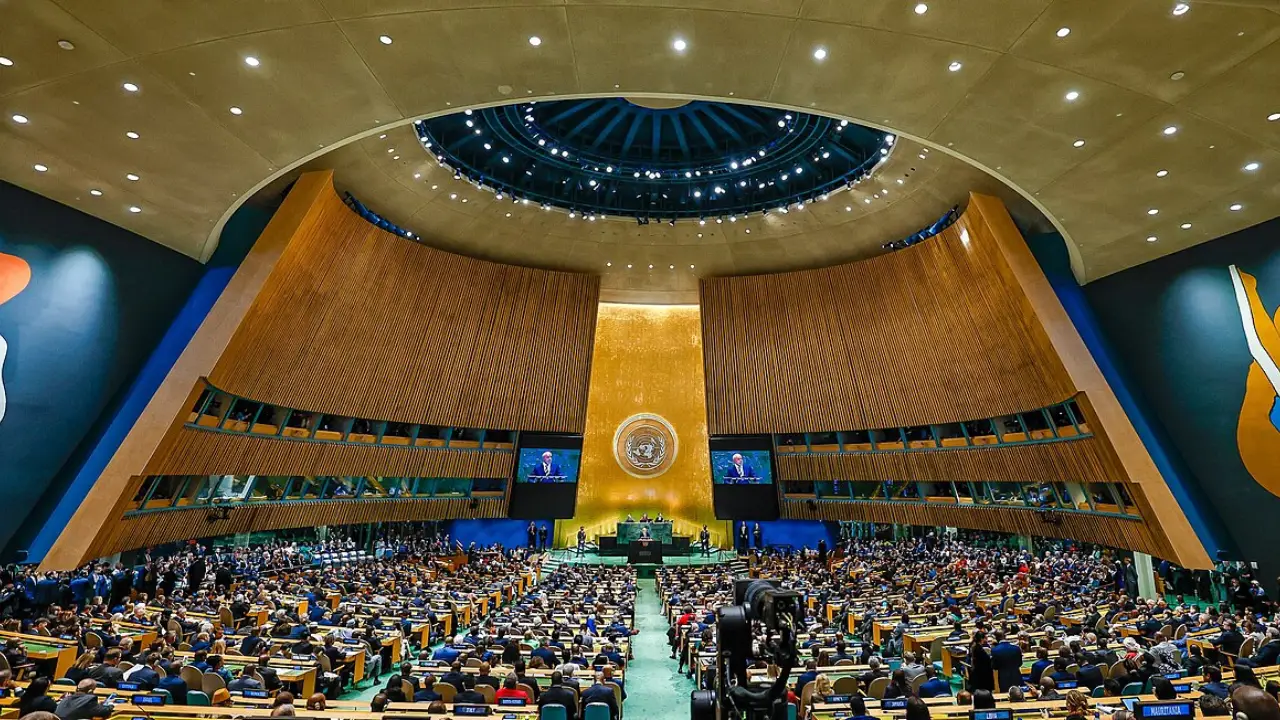
Photo by Lula Oficial
NEW YORK — The United Nations General Assembly convened its 80th session on April 16 to debate escalating tensions in the Strait of Hormuz, following vetoes by China and Russia on a Security Council resolution aimed at ensuring freedom of navigation in the strategic waterway.
The draft resolution, introduced on April 7 by Gulf States, sought to compel Iran to halt attacks on commercial vessels and guarantee safe transit through the Strait — a vital global energy corridor.
Although the General Assembly cannot override a veto, it has gained increased authority to scrutinize such decisions under a 2022 mandate requiring debates within 10 days of any veto. This mechanism aims to enhance transparency and accountability among the UN’s permanent members.
Assembly President Annalena Baerbock warned that the crisis has already triggered severe global consequences. Oil prices have surged over 40%, nearing $100 per barrel, while disruptions in shipping have led to shortages of food and energy worldwide.
She emphasized that the situation reflects “multiple overlapping crises” and urged Member States to move beyond debate toward concrete action.
Russia argued the draft resolution was biased and risked legitimizing the use of force under vague conditions, unfairly portraying Iran as the sole threat. Moscow maintained that subsequent developments, including a ceasefire in Iran, justified its decision.
China echoed similar concerns, stating that the resolution could escalate tensions and potentially provide cover for unauthorized military actions. Beijing stressed that any UN action must prioritize de-escalation and dialogue.
The United States strongly criticized the vetoes, accusing both countries of enabling Iran’s actions and undermining global stability. Washington also alleged military cooperation between Moscow and Tehran, and significant oil trade ties with Beijing.
Meanwhile, Iran welcomed the vetoes as “justified,” arguing that the resolution ignored root causes — including what it described as aggression by the United States and Israel.
Gulf nations, including Bahrain, Saudi Arabia, and the United Arab Emirates, announced plans to introduce a revised resolution aimed at building broader consensus.
Delegates from across regions highlighted the far-reaching consequences of the crisis. The International Monetary Fund has already downgraded global growth projections, warning of a potential recession.
Countries in Africa and Asia reported rising fuel and food costs, shipping disruptions, and fertilizer shortages. Some warned of worsening poverty and inflation if the crisis continues.
Singapore and other small States stressed that freedom of navigation under international law is critical for economic survival, particularly for import-dependent nations.
Several countries and regional groups, including ASEAN and the European Union, called for immediate restoration of safe and uninterrupted passage through the Strait of Hormuz, in accordance with international maritime law.
Japan also announced new regional initiatives to strengthen energy security and supply chain resilience.
Amid the tensions, Lebanon welcomed a US-announced 10-day ceasefire with Israel, calling it proof that diplomacy can still deliver results in a volatile region.