RING 2026 was inaugurated in Imphal with cultural performances, indigenous sports demonstrations, and calls to preserve Manipur’s traditional sporting heritage.
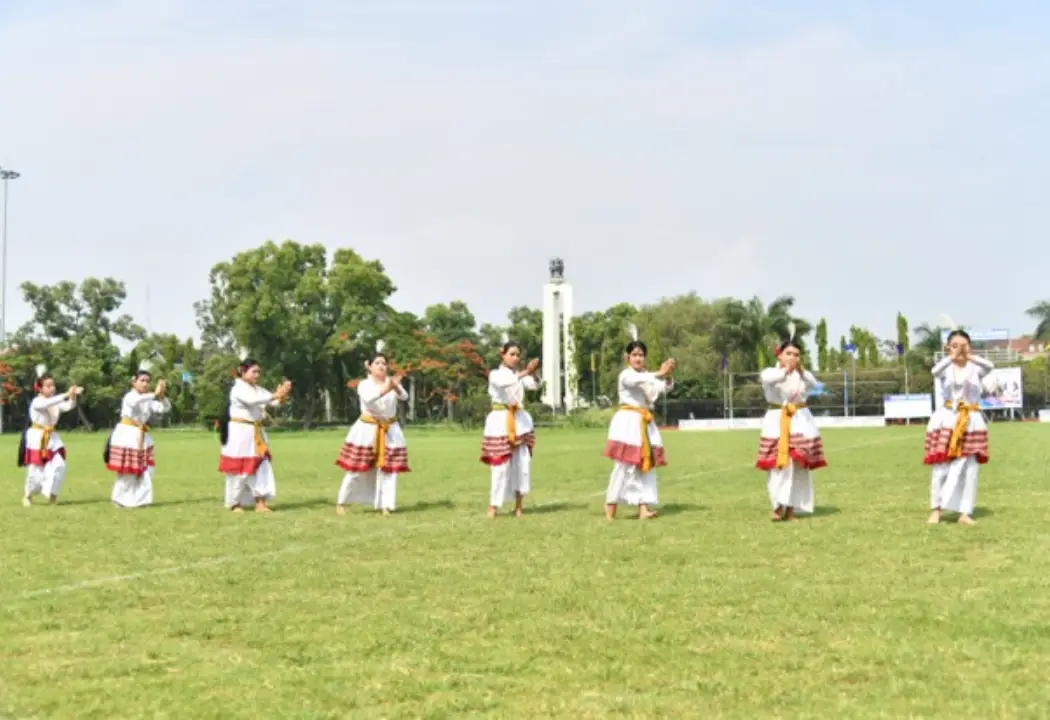
Imphal, May 21: RING 2026 was formally inaugurated in Imphal on Thursday with a cultural and sporting celebration dedicated to preserving and promoting Manipur’s indigenous games and traditional sporting heritage. The opening ceremony brought together sportspersons, cultural practitioners, government officials, youth participants, and invited guests in a programme that highlighted the historical and cultural significance of native sporting traditions.
The inaugural programme began with the arrival of participants and invited guests, followed by the reception of dignitaries in accordance with traditional customs reflecting Manipur’s cultural ethos and hospitality.
One of the opening moments of the ceremony was the lighting of the ceremonial lamp accompanied by the sacred sound of the Moibung, symbolising peace, unity, and continuity of indigenous traditions. The event also included the hoisting of the RING 2026 flag and rendition of the National Song.
Cultural performances formed an important part of the inaugural event. Students of Shei-Shakkol Bedabati Khunung Eshei Shindam Shang presented the State Song and inaugural song, while traditional performances including Pung Cholom and Maibi Jaigoi were staged by Shree Shree Govindaji Nat Sankirtan. The performances reflected the close connection between Manipuri cultural traditions and indigenous sporting practices.
The function was attended by Commissioner of Youth Affairs and Sports, Government of Manipur, Naorem Praveen Singh as Chief Guest and was presided over by Director of Tourism Lourembam Bikram Singh.
Among the Guests of Honour were Padma Shri and Major Dhyan Chand Khel Ratna awardee Nameirakpam Kunjarani Devi, senior journalist and editor Pradip Phanjoubam, and former world champion and Arjuna Awardee Laishram Sarita Devi.
Several distinguished personalities were also present as special invitees, including social worker Adhikarimayum Manjubala Devi, Arjuna Awardees Wangkhem Sandhyarani Devi and Bembem Devi Oinam, along with Commonwealth Games silver medallists Ngangbam Soniya Chanu and Shushila Devi Likmabam.
Delivering the welcome and keynote address, the President of Manipur Upliftment Centre spoke about the importance of preserving indigenous games and recognising them as an essential part of the state’s identity and social life.
He said traditional games are more than recreational activities and described them as living symbols carrying the values, resilience, and collective memory of communities across generations.
According to the address, indigenous sports continue to face challenges due to comparatively lower support and visibility than modern sporting disciplines. The speaker expressed concern that traditional games often receive limited institutional attention despite their cultural significance.
Calling for sustained intervention and stronger support mechanisms, he stressed the need for practical and long-term measures to strengthen indigenous sports and create opportunities for their continued growth.
He further said the objective behind the initiative extends beyond reviving games alone and includes rebuilding confidence, strengthening community spirit, and encouraging unity through shared cultural practices.
Addressing the gathering, veteran sportsperson Nameirakpam Kunjarani Devi spoke on the relationship between sports, culture, and youth development.
She encouraged younger generations to reconnect with indigenous traditions and recognise traditional games as an important part of identity and social values.
Referring to the example of Wushu, she said the sport’s progress demonstrates how sustained commitment from athletes, coaches, institutions, and government support can transform traditional practices into internationally recognised disciplines.
According to her, the success achieved by Wushu illustrates the potential that indigenous sporting traditions possess when supported consistently over time.
In his inaugural address, Pradip Phanjoubam emphasised the need for collective efforts to ensure that traditional games remain active parts of society rather than becoming historical references.
He observed that indigenous games occupy an important place within Manipur’s sporting and cultural identity and warned that a lack of preservation efforts could gradually reduce them to museum displays rather than living traditions.
Pradip Phanjoubam also stressed the importance of leadership within traditional sports movements and said pioneers and respected individuals in the field can create awareness and encourage wider participation.
According to him, sustained public engagement and visible community support remain necessary for ensuring that indigenous games continue to evolve and remain relevant for future generations.
Chief Guest Naorem Praveen Singh, in his address, highlighted Manipur’s sporting achievements and connected the state’s success in modern sports to its long-standing indigenous sporting traditions.
Describing Manipur as a sporting powerhouse, he said the state has consistently performed beyond expectations at national and international levels despite its geographical size. He attributed part of this success to the culture of indigenous games, which he said has historically shaped discipline, physical training, and sporting values among the people. The Commissioner also noted that traditional games remain deeply embedded in everyday social and cultural life across Manipur.
Calling for coordinated efforts, he urged stakeholders including government institutions, sporting bodies, communities, and youth to work collectively to preserve, promote, and transmit traditional sporting knowledge to future generations. He later formally declared RING 2026 open amid applause from participants and attendees.
One of the major highlights of the inaugural ceremony was the live demonstration of indigenous sporting and martial traditions. Performances included Thang-Ta (Huyel Langlon), Arambai exhibition by the All Manipur Arambai Association, Mukna Kangjei by the Manipur State Mukna Kangjei Association, and Kom Archery exhibition presented by Thayong Kom Cultural Troupe. These demonstrations showcased the historical depth and cultural relevance of native sports and reflected their continued place within Manipuri society.
The programme concluded with a vote of thanks and a group photograph, marking the formal beginning of RING 2026 with a renewed emphasis on cultural pride, youth participation, and the revival of indigenous sporting traditions.