First overland journey via Kangpokpi in three years highlights evolving ground conditions and governance priorities
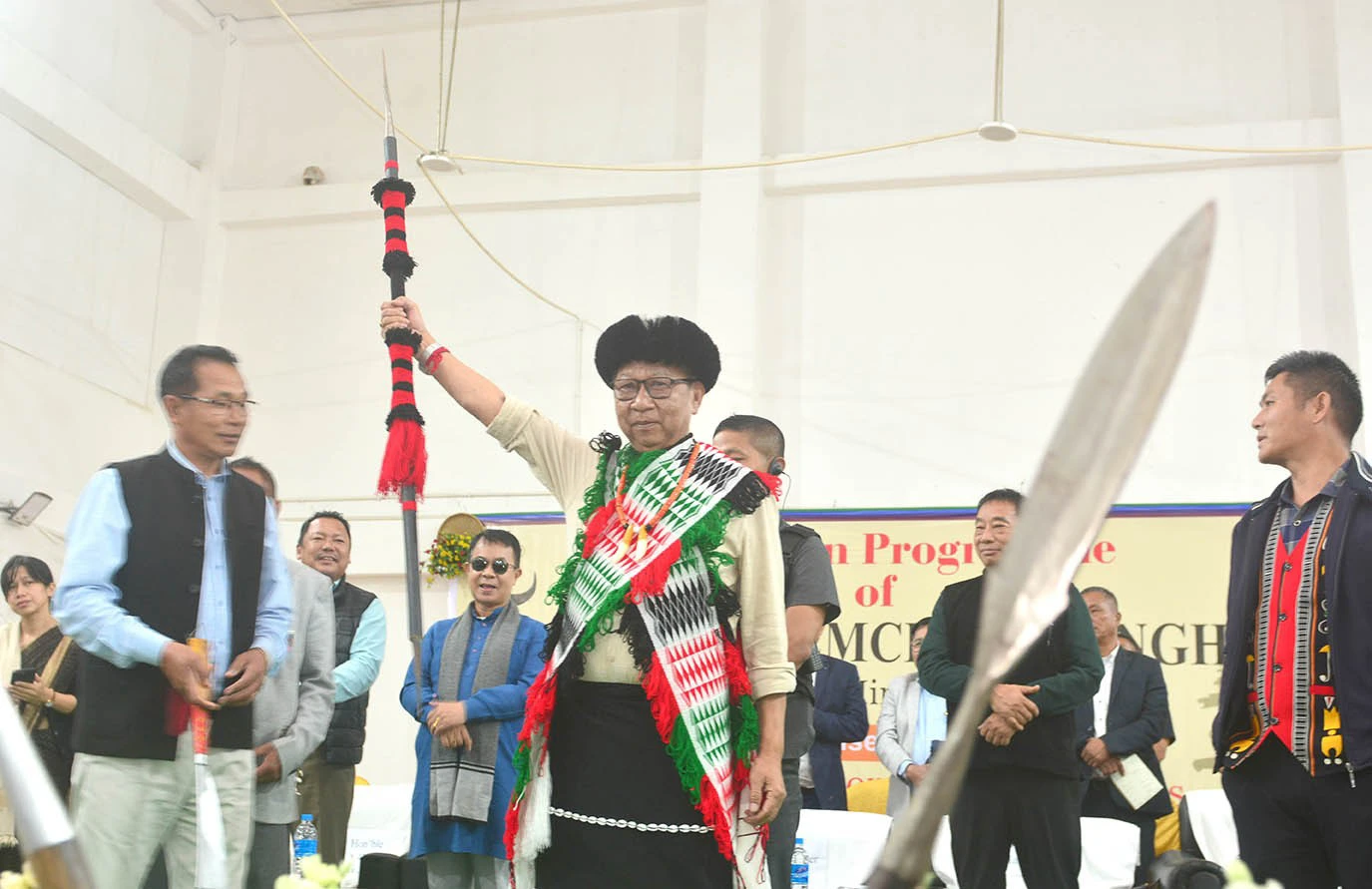
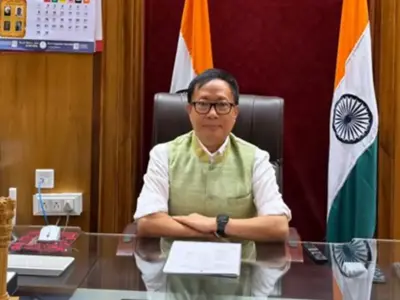
Manipur Chief Minister Yumnam Khemchand undertook a road journey to Senapati district via Kangpokpi after a gap of nearly three years, according to reports. The visit, conducted overland rather than by air, marks a notable administrative movement through a corridor that has remained sensitive amid ongoing ethnic tensions in the state.
Officials stated that the Chief Minister’s decision to travel by road was significant, given the security concerns that have shaped mobility patterns in the region since violence erupted in 2023. The Imphal–Kangpokpi–Senapati route, once a routine administrative and civilian passage, has intermittently been affected by disruptions, making such visits logistically and symbolically important.
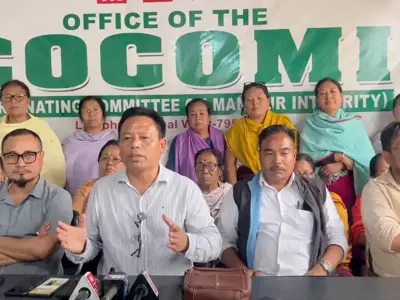
The visit reportedly included interactions with local stakeholders and assessments of development-related issues in Senapati district. While detailed outcomes of the meetings were not immediately disclosed, officials indicated that the tour was part of a broader effort to review governance delivery and reconnect administrative processes with hill districts.
The timing of the visit carries contextual weight. Over the past three years, Manipur has witnessed sustained ethnic tensions that have altered patterns of governance, mobility, and inter-community engagement. Road connectivity, particularly through districts like Kangpokpi, has often been viewed not merely as infrastructure but as a reflection of the prevailing security environment.
In this context, the Chief Minister’s journey can be read as an administrative signal—suggesting either improved ground conditions or an attempt to project normalcy and state presence in areas that have experienced prolonged strain. However, officials have not explicitly linked the visit to any formal shift in the security situation.
Historically, road movements by senior political leadership in conflict-affected regions carry layered implications. They can serve as confidence-building measures, demonstrate accessibility of governance, and reinforce territorial continuity. At the same time, such visits are often calibrated carefully, with security assessments playing a decisive role.
Observers note that governance in Manipur’s hill districts has faced logistical and perceptual challenges during the ongoing unrest. Administrative outreach, therefore, becomes both a functional necessity and a symbolic gesture. The Chief Minister’s choice of route—via Kangpokpi—may also be interpreted within this framework, as it passes through areas that have remained central to the state’s conflict dynamics.
There is also a developmental dimension to consider. Senapati district, like several hill regions, has longstanding demands related to infrastructure, healthcare, and economic opportunities. Periodic high-level visits are typically used to review project implementation and address local concerns. Whether this visit results in concrete policy or administrative follow-up remains to be seen.
At a broader level, the visit underscores the evolving interplay between governance and security in Manipur. While official narratives often emphasize restoration and normalcy, ground realities continue to be shaped by complex social and political factors. Movements such as this, therefore, are closely observed for what they indicate about state capacity and intent.
The absence of reported disruptions during the journey may be seen as a positive operational outcome. However, it does not, by itself, resolve underlying tensions. Analysts caution that symbolic gestures, while important, need to be accompanied by sustained dialogue, inclusive policy measures, and confidence-building initiatives across communities.
In conclusion, the Chief Minister’s road visit to Senapati represents more than a routine administrative tour. It reflects an intersection of governance outreach, security assessment, and political signalling in a state navigating a prolonged period of instability. The longer-term significance of the visit will depend on whether it translates into tangible improvements in both governance delivery and inter-community trust.