Centre reviewed States’ preparedness for rollout of the VB–G RAM G Act from July 1 and assured uninterrupted MGNREGS employment till transition.

New Delhi, May 23: Ministry of Rural Development on Friday reviewed the preparedness of States and Union Territories for the rollout of the VB–G RAM G Act, 2025, which is scheduled to come into force on July 1, while assuring that the existing Mahatma Gandhi National Rural Employment Guarantee Scheme (MGNREGS) will continue without disruption until the transition is completed.
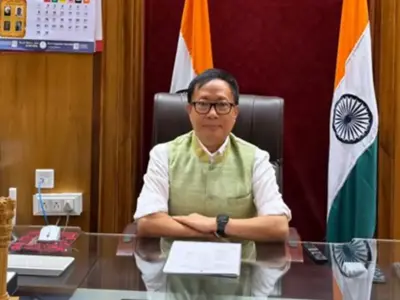
The review meeting was chaired by Rohit Kansal, Secretary of the Department of Rural Development (DoRD), and attended by senior ministry officials along with representatives from States and Union Territories.
According to an official statement issued by the Press Information Bureau, the meeting focused on preparatory measures needed for the operationalisation of the revised rural employment framework under the VB–G RAM G Act.
During the discussions, States and UTs were asked to complete all key preparatory activities in a time-bound manner to ensure a smooth transition from MGNREGS to the new framework.
The ministry reviewed preparations related to the notification of State-level VB–G RAM G schemes, formulation of State-specific rules, technical integration for DBT-SPARSH and SNA-SPARSH systems, and the creation of an adequate shelf of works through the Yuktdhara portal.
Officials also stressed the importance of obtaining Gram Sabha approval for proposed works through participatory planning processes. States and UTs were further advised to make necessary budgetary allocations and settle pending liabilities under MGNREGS before the new framework takes effect.
Kansal said the transition represented a major reform in India’s rural employment and livelihood system and required close coordination between the Centre, States, technical teams and implementing agencies.
The ministry informed States and UTs that several preparatory measures had already been initiated by the Centre. An interim list of permissible works under the VB–G RAM G framework has been shared with States for feedback, while governments have also been invited to suggest additional works based on local requirements.
The Centre has also published draft rules under the VB–G RAM G Act in the e-Gazette on May 22 for a 30-day public consultation process before finalisation.
The draft rules cover several areas, including wage payments, unemployment allowance procedures, grievance redressal mechanisms, administrative expenses, steering committee operations and transitional provisions under the new framework.
The ministry further shared an indicative framework for categorising Gram Panchayats into A, B and C categories to assist planning and implementation under the revised system. States were told they could adapt the criteria based on local conditions and requirements.
To ensure uninterrupted rural employment during the transition phase, the Centre approved a labour budget of more than 45 crore persondays for June 2026 under MGNREGS.
In addition, the ministry issued “mother sanctions” amounting to ?26,971 crore covering wage, material, administrative and social audit components under the scheme. The allocation is intended to ensure uninterrupted flow of funds and continuation of ongoing works until the new law comes into effect.
States and UTs were directed to ensure timely utilisation of funds, adequate availability of work at the ground level and prompt employment generation, particularly during the agricultural lean season.
The ministry also clarified that ongoing works under MGNREGS as of June 30, 2026 would be transitioned into the VB–G RAM G framework while maintaining consistency with the provisions of the new Act.
Kansal reiterated that the Centre would continue to hold regular consultations and weekly review meetings with States and UTs to facilitate the transition and address implementation-related issues.
The VB–G RAM G Act, 2025 is expected to replace the existing MGNREGS framework with an expanded rural employment and livelihood model from July 1.