Health experts warn healthcare workers, families and residents in conflict-hit urban areas face the highest risks in the ongoing Bundibugyo Ebola outbreak.
Imphal, May 17: As health authorities struggle to contain the ongoing Ebola outbreak in the Democratic Republic of the Congo (DRC) and Uganda, medical experts are warning that several categories of people face particularly high risks from the rare Bundibugyo strain currently driving the epidemic.
The World Health Organization (WHO) and regional health agencies have stressed that the absence of approved vaccines or targeted treatments for the Bundibugyo ebolavirus makes rapid detection, strict infection control and community cooperation critical to limiting further spread.
Symptoms Often Begin Suddenly
Ebola virus disease usually begins abruptly, with patients commonly developing fever, weakness, fatigue, muscle pain, headaches and sore throat. Because these symptoms resemble malaria, typhoid and other common tropical illnesses, early diagnosis is often difficult.
As the disease progresses, patients may develop vomiting, diarrhea, rashes and unexplained bleeding. Severe cases can rapidly deteriorate and lead to organ failure and death.
Health experts say some patients worsen dramatically within days if intensive supportive care is unavailable.
Healthcare Workers Among the Most Vulnerable
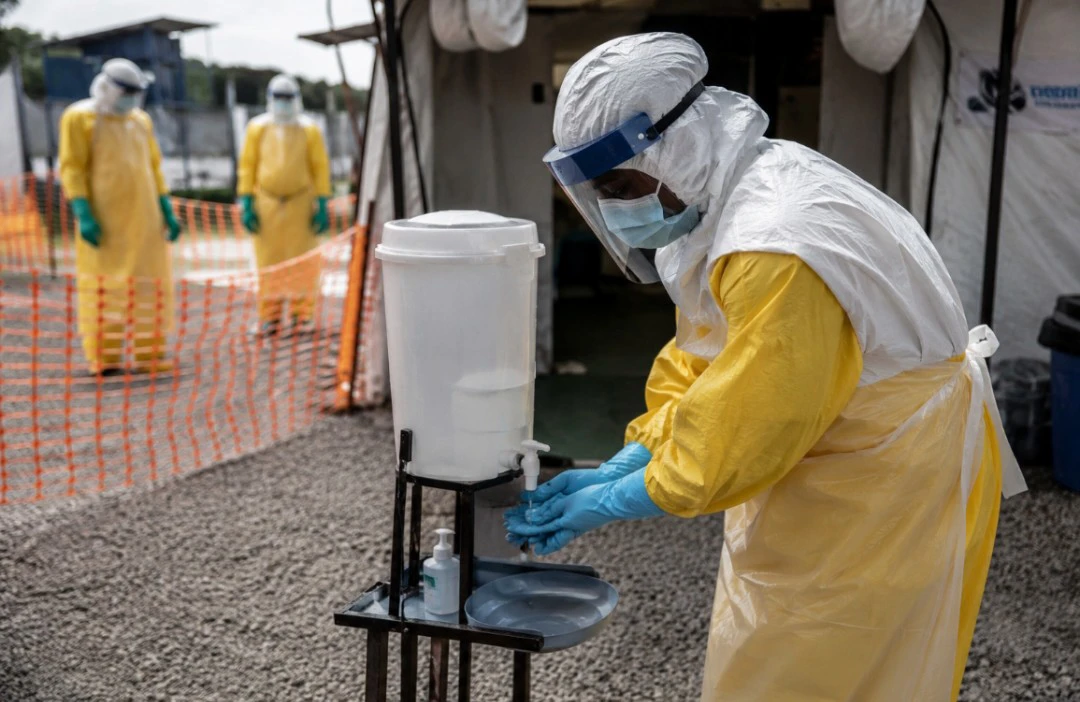
Medical personnel remain among the groups facing the greatest danger during the current outbreak.
According to health authorities, at least four healthcare workers have already died in clinical settings showing symptoms consistent with viral hemorrhagic fever. The deaths have intensified concerns about healthcare-associated transmission and weaknesses in infection prevention systems within local hospitals and informal treatment centres.
Experts say shortages of personal protective equipment (PPE), overcrowded facilities and delayed identification of Ebola patients significantly increase risks for frontline workers.
Past Ebola outbreaks in Africa have repeatedly shown that hospitals and clinics can become centres of transmission when strict biosafety protocols are not followed.
Families and Caregivers Face High Exposure Risk
Family members caring for infected relatives are also considered highly vulnerable because Ebola spreads through direct contact with bodily fluids including blood, vomit and other contaminated materials.
Shared household items such as bedding, clothing and towels can also transmit the virus if not properly disinfected.
RELATED NEWS: WHO Declares Global Health Emergency Over Ebola Bundibugyo Outbreak in DRC and Uganda
Health agencies are especially concerned about traditional funeral practices. Ebola victims remain highly infectious after death, making burial ceremonies involving direct handling of bodies extremely dangerous without trained burial teams and protective measures.
WHO and Africa CDC have urged communities to cooperate with safe and dignified burial protocols to prevent further transmission.
Urban Centres and Mining Towns Under Threat
Public health officials say the geography of the outbreak has created additional risks.
The epidemic is concentrated in urban and semi-urban health zones including Bunia and Rwampara, along with the mining town of Mongbwalu in Ituri Province. These areas experience intense population movement linked to trade, transport and mining activity.
Health experts warn that such mobility makes it harder to identify infected individuals and trace their contacts before the virus spreads further.
Mining towns are considered particularly vulnerable because workers frequently travel between remote sites and densely populated urban centres, creating multiple pathways for transmission.
Conflict Zones Complicating Response Efforts
The humanitarian situation in eastern DRC is also severely hampering containment operations.
Parts of Ituri Province remain affected by violence involving armed militant groups, making it difficult for health workers to safely conduct surveillance, transport medical supplies and deploy rapid response teams.
Security concerns have restricted access to some communities, raising fears that infections may continue spreading undetected in remote areas.
Experts say conflict conditions can delay outbreak detection, interrupt contact tracing and weaken public trust in authorities — all factors that increase the risk of prolonged transmission.
No Vaccine Available for Bundibugyo Strain
Unlike outbreaks caused by the more common Zaire ebolavirus, the current Bundibugyo outbreak presents an additional challenge because there are no licensed vaccines or approved antiviral treatments specifically designed for this strain.
Existing Ebola vaccine stockpiles and monoclonal antibody therapies are effective only against the Zaire strain and offer little or no protection against Bundibugyo infections.
This leaves populations in affected DRC regions and neighboring countries such as Uganda and South Sudan without pharmaceutical protection.
Health experts estimate the fatality rate of the Bundibugyo strain at around 30 to 40 percent. During the first recorded Bundibugyo outbreak in Uganda in 2007, the fatality rate was reported at approximately 32 percent.
Supportive Care Remains the Only Treatment
Because no targeted drugs currently exist for the Bundibugyo strain, treatment relies entirely on intensive supportive care.
Doctors say survival chances improve significantly when patients are identified early and admitted quickly to specialized treatment facilities.
Current treatment measures include:
Aggressive rehydration
Electrolyte balancing
Oxygen support
Blood pressure stabilization
Management of secondary complications
The WHO has called for accelerated clinical trials and emergency research into possible therapeutics for the Bundibugyo strain.
Prevention Depends on Public Cooperation
With vaccines unavailable, health authorities say outbreak control depends heavily on public health measures and community participation.
Officials are urging residents in affected areas to maintain hand hygiene, avoid physical contact with suspected cases, seek medical attention immediately after symptoms appear and cooperate with health surveillance teams.
Rapid case detection, contact tracing, isolation of infected individuals and strict infection prevention protocols remain central to containment efforts.
Community leaders are also being engaged to counter misinformation, reduce fear and encourage public cooperation with response teams.
Health experts warn that delays in reporting symptoms, unsafe burials and mistrust toward medical workers have historically contributed to the spread of Ebola outbreaks across parts of Africa.