UPSC conducted the Civil Services Preliminary Examination 2026 at 2,072 venues across 83 cities, with around 5.49 lakh candidates appearing.
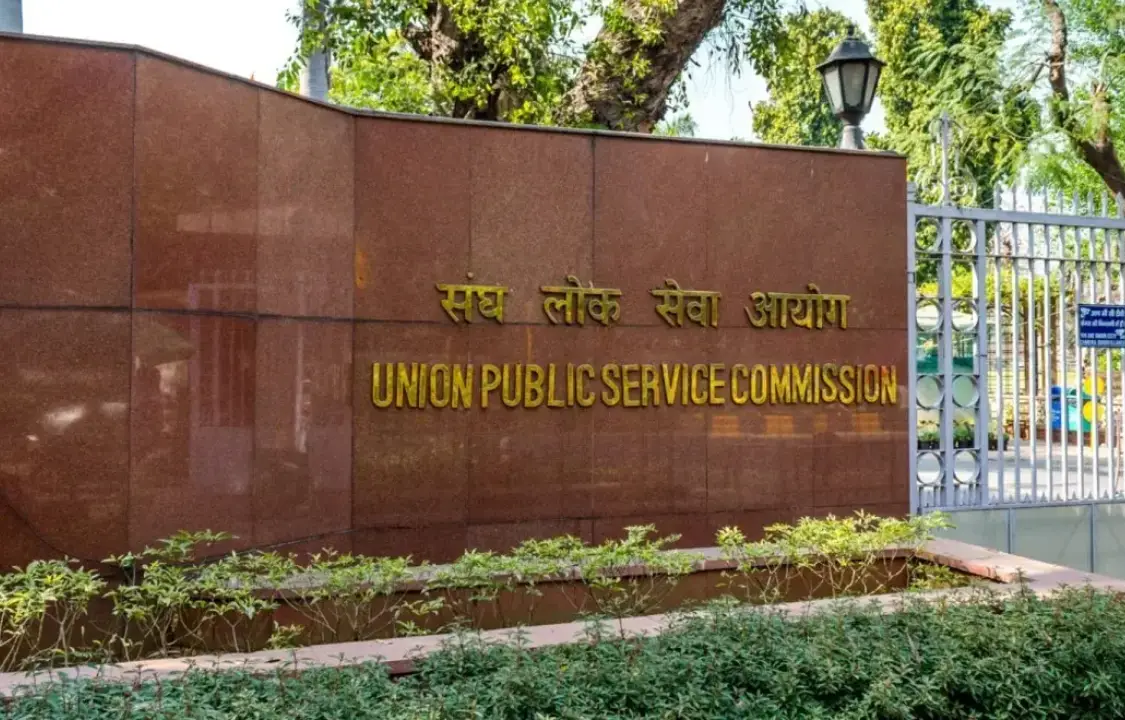
New Delhi, May 24: The Union Public Service Commission conducted the Civil Services (Preliminary) Examination 2026, including the Indian Forest Service (Preliminary) Examination 2026, on Sunday across 2,072 examination venues in 83 cities nationwide.
According to provisional data released by the Commission, nearly 5.49 lakh candidates appeared for the examination out of 8,19,732 applicants, recording an attendance rate of around 67 per cent. In comparison, around 5.8 lakh candidates had appeared for the 2025 preliminary examination, when nearly 9.5 lakh candidates had applied and the attendance rate stood at approximately 61 per cent.
The Commission introduced real-time face authentication for candidates at examination venues for the first time this year as part of efforts to prevent impersonation and strengthen examination integrity. The system, developed indigenously through the National e-Governance Division under the Ministry of Electronics and Information Technology, was implemented across all examination venues.
UPSC said the exercise was possibly its largest real-time face authentication operation conducted so far and described its successful execution as a major step in strengthening examination processes.
Expressing satisfaction over the conduct of the examination, UPSC Chairman Dr. Ajay Kumar said the smooth implementation reflected the coordinated efforts of the Commission along with the National Informatics Centre and NeGD teams.
The examination was conducted in two sessions. General Studies Paper-I was held from 9:30 am to 11:30 am, followed by the Civil Services Aptitude Test (CSAT) Paper-II from 2:30 pm to 4:30 pm.
Among the major examination centres, Delhi recorded the highest number of applicants with 70,885 candidates across 144 venues. Hyderabad followed with 44,209 candidates at 100 venues, while Patna recorded 39,147 candidates across 79 venues.
At the other end, Kargil recorded the lowest number of applicants with 98 candidates at one venue. Port Blair had 270 candidates at one venue, while Leh in Ladakh recorded 308 candidates across two venues.
UPSC said all venues were equipped with facilities including drinking water, power backup, medical support, sanitation arrangements, shaded waiting areas and accessibility assistance for Persons with Benchmark Disabilities (PwBD) candidates. Security arrangements and trained invigilatory staff were also deployed at all centres. Mobile signal jammers were installed at examination venues to ensure secure conduct of the examination.
In a move aimed at reducing congestion at examination centres, UPSC added three new centres this year at Bhubaneswar, Kanpur and Meerut. The Commission also introduced a dropdown option allowing candidates to indicate nearby preferred cities for future examination centres. According to UPSC, the data collected through the exercise will help assess demand for additional centres in future examinations.
The Commission also announced that it will release a provisional answer key soon after completion of the examination for the first time. Candidates will be allowed to submit representations regarding the provisional answer key until 6 pm on May 31, 2026.
UPSC said all representations and supporting documents submitted by candidates would be examined before taking a final view on disputed questions. The final answer key will continue to be released only after declaration of the final result of the Civil Services Examination 2026, following existing practice.
The Commission further stated that 11,224 applicants belonged to the categories of Persons with Benchmark Disability (PwBD) and Persons with Disability (PwD). Candidates in eligible disability categories were provided compensatory time during the examination as per prescribed guidelines.
UPSC said the conduct of the examination reflected the combined efforts of multiple stakeholders and ongoing institutional measures aimed at ensuring fairness, transparency and credibility in the examination system.