Fourteen Kuki hostages held since May 13 were released in Senapati district after 27 days in captivity, with the UNC facilitating the humanitarian handover.
Imphal, June 9: Fourteen Kuki-Zo civilians who had remained in captivity since May 13 were released on Tuesday in Manipur's Senapati district, bringing an end to a nearly month-long hostage episode that followed a deadly ambush and subsequent retaliatory abductions involving members of the Naga and Kuki communities.
The 14 individuals were formally handed over at around 3.36 pm at the Senapati district headquarters and transferred to the chief of Taphou Kuki village in the presence of police, security personnel and district officials.
The release was facilitated by the United Naga Council (UNC), the apex Naga civil society organisation in Manipur, along with other civil society groups following sustained appeals from the Centre, the Manipur government and church bodies.
Those released were identified as Thangtinlen Chongloi, Paotinkai Chongloi, Lunsei Chongloi, Kaimang Chongloi, Hengunsei Chongloi, Luntinlal Chongloi, Tonggoulen Chongloi, Sehginlun Chongloi, Sehminhao Chongloi, Paogoulhang Chongloi, Haominlun Kipgen, Lamgoulen Kipgen, Thanglemang Chongloi and Thangminlen Chongloi.
Civil society organisations involved in the handover stated that all 14 detainees were released in "good, safe and sound condition".
The transfer was witnessed by personnel of Senapati Police, Central Armed Police Forces (CAPF), Assam Rifles and officials of the district administration.
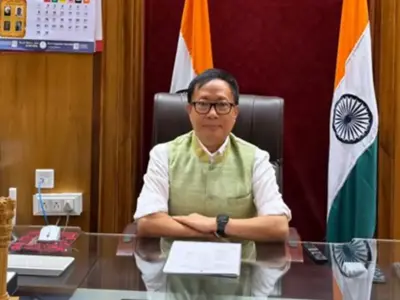
Manipur Chief Minister Yumnam Khemchand Singh welcomed the safe release of the hostages and described it as a positive humanitarian development amid continuing tensions in parts of the state.
The Chief Minister expressed appreciation to all stakeholders who contributed to securing the release and particularly acknowledged the role played by Naga civil society groups.
He described the move as a reflection of compassion, responsibility and concern for human life.
Khemchand Singh also appealed to all sections of society to reject violence and work towards peace, stating that the ongoing crisis has caused immense suffering to victims and their families. He reiterated that those responsible for unlawful acts would face legal action and that justice would be pursued through due process.
Speaking after the release, UNC president Ng Lorho said the decision was guided by humanitarian, cultural and ethical considerations following consultations with various stakeholders.
According to him, the release was carried out after assurances from the Union Ministry of Home Affairs and the Manipur government that efforts to trace six missing Naga civilians would continue.
"Nagas are cultured people. We uphold war ethics and respect international laws of human rights," Lorho said.
UNC leaders said the humanitarian release was undertaken despite unresolved concerns regarding the fate of six Naga men, including two pastors, who were allegedly abducted by Kuki groups during the violence.
The council expressed hope that reciprocal efforts would lead to the safe recovery of the missing Nagas.
The release had initially been scheduled for June 1 but was called off after protests erupted among sections of the Naga community. At the time, demonstrators reportedly demanded that the release of the Kuki detainees should take place only alongside the return of the missing Naga civilians.
The postponement had raised concerns about the fate of the hostages and the possibility of further escalation. However, following fresh consultations and assurances from authorities, the process moved forward on June 9.
The release came hours after reports of tense late-night discussions in Senapati district over an alleged attempt to facilitate the transfer or release of the 14 Kuki detainees while the fate of six missing Naga civilians remained unresolved.
According to eyewitnesses and local sources, community leaders, volunteers and security personnel held discussions at a location in Senapati on Monday night regarding the proposed movement of the detainees from an undisclosed location. The reported move was opposed by members of the Naga Village Guards (NVG), who questioned both the timing and circumstances of the operation.
Videos that circulated on social media showed prolonged exchanges between community representatives and volunteers. Witnesses said some participants argued that any decision concerning the detainees should be taken transparently and only after wider consultation within the community. The discussions reportedly continued for several hours and ended without a consensus.
The developments drew renewed attention to the unresolved case of six Naga civilians who were reportedly abducted during the violence that followed the May 13 ambush in Kangpokpi district. Families and community members have repeatedly sought information on their whereabouts, while local residents said the reported attempt to move the Kuki detainees sparked fresh debate on whether sufficient progress had been made in efforts to secure the return of the missing Nagas.
Community leaders present during the discussions reportedly appealed for restraint and mutual trust. However, neither government authorities nor security agencies had publicly clarified the purpose of the reported discussions or provided updates on the status of the missing Naga civilians at the time. The accounts of the overnight meeting were based on eyewitness testimonies and videos from the scene, and the circumstances surrounding the reported operation could not be independently verified.
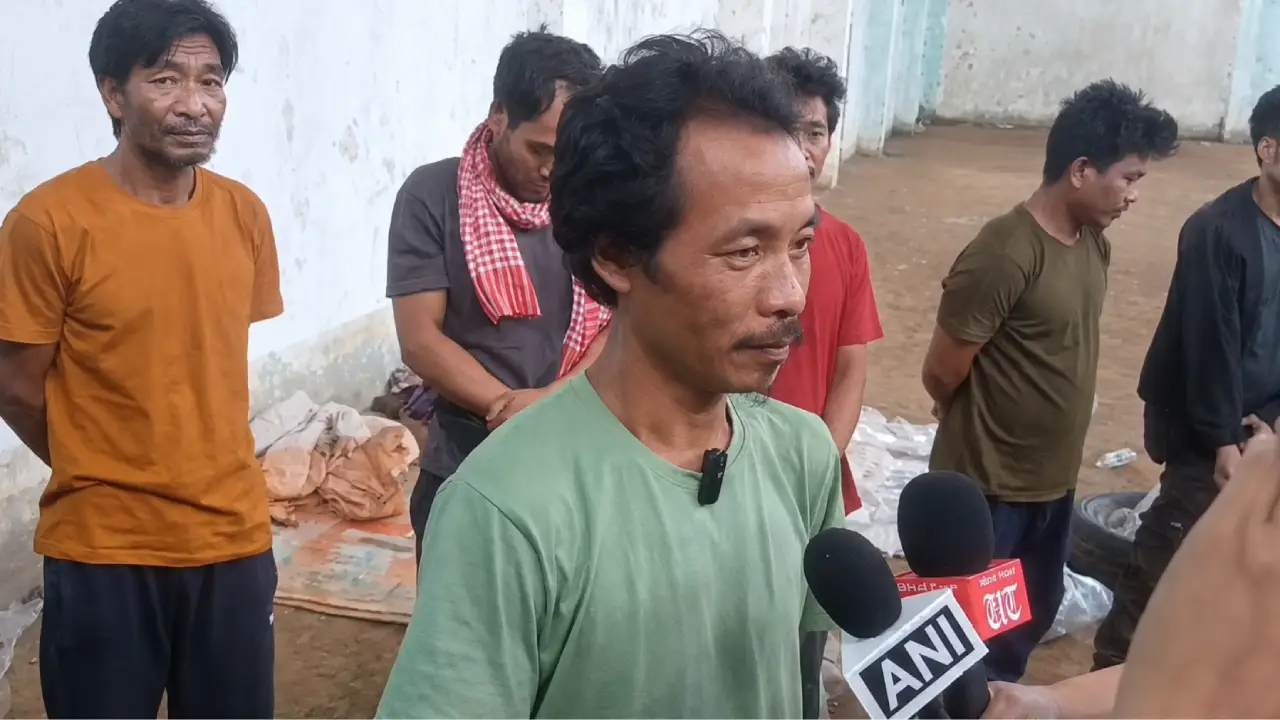
One of the released individuals, Paotinkai Chongloi, said the group spent 27 days under the custody of Naga village guards.
According to him, the detainees were treated well throughout the period and were provided with food, clothing, blankets and other necessities.
"We have been well treated," he said.
Paotinkai stated that the detainees received regular meals and tea and did not face physical hardship during their captivity. He also expressed appreciation for the treatment they received, saying the experience demonstrated humanity even amid a difficult and tense situation.
"We have learned a great thing from our Naga brothers. They have been extraordinary, special and unique," he said.
Appealing to members of his own community, he said the humanitarian gesture should serve as an example during a period marked by mistrust and conflict.
"We have been released unconditionally and on humanitarian grounds," he added.
The hostage crisis began on May 13 after unidentified gunmen ambushed a vehicle in Kangpokpi district, killing four people, including three church leaders from the Thadou community. The killings triggered a series of retaliatory abductions involving civilians from both the Naga and Kuki communities.
According to accounts provided by community organisations, a total of 48 individuals—28 Kukis and 20 Nagas—were abducted from different locations in the aftermath of the violence. On May 15, an initial exchange led to the release of 14 Kuki civilians and 14 Naga civilians. However, the remaining 14 Kuki detainees continued to be held, prolonging the crisis and generating concern among community leaders, civil society groups and government authorities.
Despite Monday's breakthrough, a key issue remains unresolved. Six Naga civilians who were reportedly abducted during the violence have yet to be located.
UNC leaders said they proceeded with the release after receiving assurances that security agencies would continue search operations and efforts to establish the whereabouts of the missing individuals. The issue is expected to remain central to ongoing discussions between community leaders and government authorities.
While the release does not resolve all outstanding concerns arising from the May violence, it is being viewed by many stakeholders as an important confidence-building measure and a humanitarian step that could help reduce tensions and encourage further dialogue between the affected communities.