CM Yumnam Khemchand Singh reviews Unity Mall project as Manipur moves to establish a GI Cell and R&D Wing to promote indigenous crafts and GI-tagged products.

Imphal, June 26: The Manipur Government has stepped up efforts to strengthen the promotion of indigenous products by reviewing the proposed Unity Mall project while also advancing plans to establish a dedicated Geographical Indication (GI) Cell and Research and Development (R&D) Wing for the handloom and handicrafts sector.
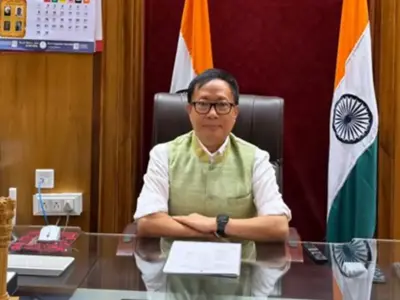
Chief Minister Yumnam Khemchand Singh on Friday chaired a review meeting at the New Civil Secretariat, Mantripukhri, to assess the progress of the proposed Unity Mall at Nilakuthi in Imphal East district. The meeting was attended by the Additional Chief Secretary and senior government officials.
In a post on X after the meeting, the Chief Minister said the project aligns with Prime Minister Narendra Modi's vision of "Vocal for Local", "One District One Product (ODOP)" and the broader goal of Viksit Bharat. He said the proposed Unity Mall would provide a dedicated platform for Manipur's indigenous crafts, Geographical Indication (GI)-tagged products and traditional goods, creating greater market opportunities for local artisans and entrepreneurs.
"The Government of Manipur remains committed to the timely implementation of this landmark project to strengthen local industries and promote inclusive economic growth," the Chief Minister stated.
The review of the Unity Mall project comes amid the government's efforts to strengthen the state's GI ecosystem for handloom and handicraft products.
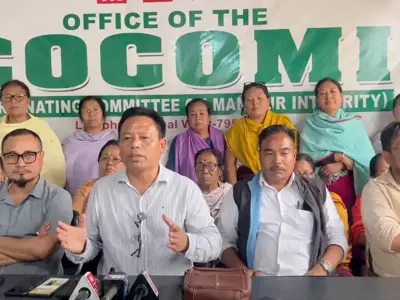
A proposal submitted by the Directorate of Handlooms and Textiles has sought administrative approval for establishing a dedicated Geographical Indication Cell and a Research and Development Wing within the department.
According to the proposal, while Manipur possesses a rich tradition of handloom and handicraft products with unique geographical identity and cultural significance, the absence of a dedicated institutional mechanism for GI registration, documentation, legal protection and promotion has limited the sector's market potential.
The proposal also noted that research and development activities in the sector remain at an initial stage because no dedicated state-level R&D facility currently exists for handlooms and textiles.
To address these gaps, the Directorate has proposed creating a GI Cell responsible for identifying products suitable for GI registration, facilitating applications, documenting traditional knowledge, coordinating with statutory authorities and promoting GI-tagged products through awareness and capacity-building programmes.
The proposed R&D Wing would focus on design innovation, product diversification, quality improvement, standardisation and market-oriented development to improve the competitiveness of Manipur's traditional products.
The proposal estimates an initial expenditure of Rs 30 lakh during the 2026-27 financial year for establishing and operationalising the two wings. The proposed expenditure includes staffing, documentation, field verification, product development, quality testing, transportation and other operational expenses.
A status presentation prepared by the Directorate of Handlooms and Textiles highlighted that Manipur currently has three registered GI products in the textile sector—Shaphee Lanphee, Moirang Phee and Wangkhei Phee, all registered in March 2014. However, the presentation noted that product standardisation, certification, branding and market positioning are yet to be fully developed to maximise the benefits of GI registration.
The presentation also outlined the progress of several additional applications. Products such as Kouna Crafts, Senga and Lik Kol have completed final evaluation, while applications relating to Manipur Doll, Bishnupur Stone Crafts, Manipur Bamboo Crafts, Manipur Pena, Thongjao Pottery, Longpi Pottery, Khamen Chatpa and Kiyam Likphang are at different stages of examination with the GI authorities.
Besides these, ten more products—including Andro Pottery, Pouli Pottery (Orae-La Pottery), Khurkhul Silk, Rani Phee, Phanek, Khudei, Lashing Phee and Leirum—are currently in the pre-filing stage for GI registration. The Directorate has set a target of securing ten new GI registrations by 2027.
The roadmap presented to the government also proposes establishing the Directorate of Handlooms and Textiles as a single nodal agency through a GI Facilitation Cell, developing a digital database of artisans and products, providing full state support for GI registration costs, strengthening anti-counterfeit enforcement and training around 500 artisans and weavers annually on intellectual property rights, branding and export packaging.
Officials believe the proposed Unity Mall and the planned institutional support for GI registration and product development will complement each other by creating stronger market access for Manipur's traditional crafts while improving their branding and commercial value.