A dedicated North-East section at MIFF 2026 brings films from Manipur, Meghalaya, Nagaland, Tripura, Sikkim, Assam and Mizoram to a wider audience.
Mumbai, June 17: The 19th Mumbai International Film Festival (MIFF 2026) has dedicated a special section to films from North-East India, bringing stories from the region’s communities, traditions, history and natural landscapes to audiences from across the country and beyond.
The festival, being held in Mumbai from June 15 to 21, features a curated selection of short fiction films and documentaries made in several languages of the North-East, including Khasi, Nagamese, Ao, Kokborok, Bhutia, Assamese, Manipuri and Mizo.
According to festival organisers, the section seeks to present the diverse voices of the region through stories of individuals, cultural practices, historical experiences and changing environments. The films explore themes of identity, resilience, heritage and the relationship between people and nature.
Among the featured films is “Ka Pateng”, a 30-minute Khasi-language short fiction film directed by Sankirang L. Khongwir and produced by the National Film Development Corporation Ltd. Set in the aftermath of a mother's death, the film follows three estranged siblings who reunite after years apart, each carrying personal burdens and unresolved emotions.
Another documentary in the line-up is “Lentina Ao – A Light on the Eastern Horizon”, directed by Sanjib Parasar and Nilakshi Medhi. Presented in English, Nagamese and Ao, the documentary traces the life of social worker Lentina Ao, who began serving communities in the Naga Hills as a midwife in 1955 and devoted decades to social welfare and community development.
Tripura’s cultural heritage is explored through “My Last Face: Flat-Nose (My Last Face: Kungbara)”, directed by Sujit Debbarma and Pranab Jyoti Deka. The documentary focuses on the traditional attire and ornaments of the Reang community and examines how these cultural symbols preserve stories, beliefs and collective identity across generations.
Representing Sikkim is the documentary “Shangrila – The Hidden Paradise”, directed by Samten Bhutia. The film looks beyond the state's scenic appeal and tourism image to examine its history, culture and geography. Set against the backdrop of Mount Kanchenjunga, the documentary presents a deeper exploration of Sikkim’s heritage and identity.
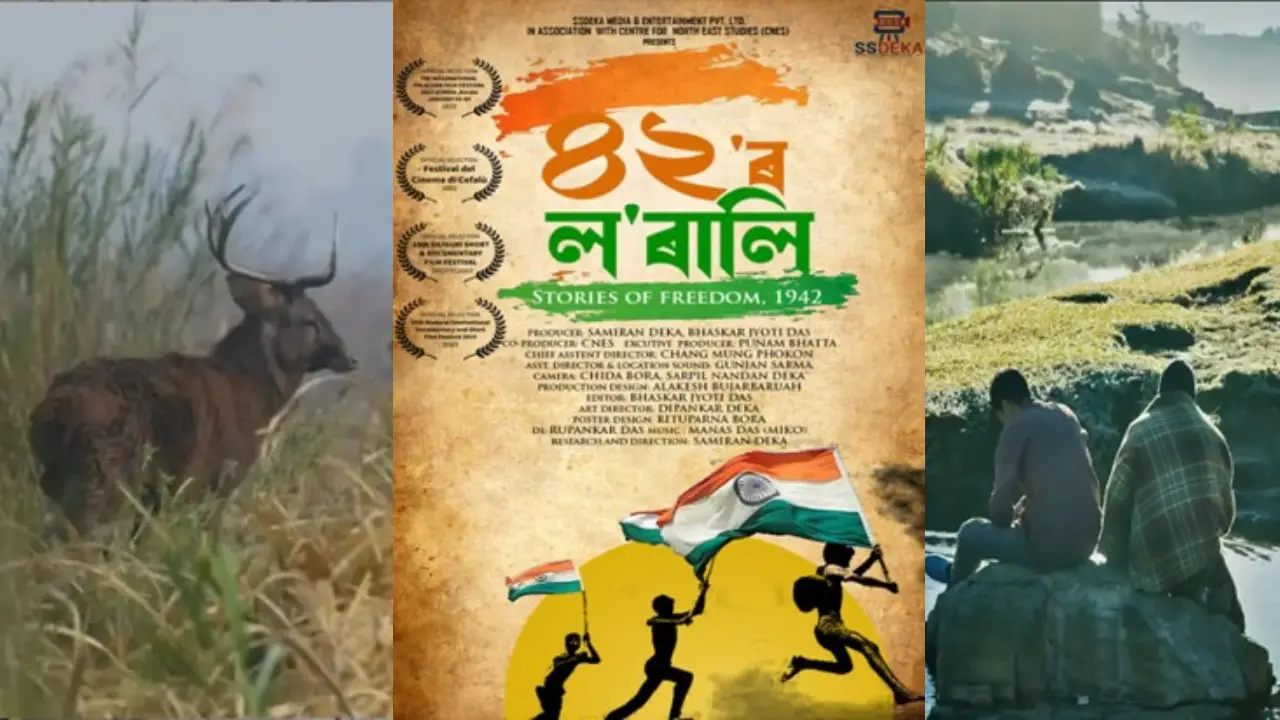
Assam’s contribution to the section comes through “Teens of 1942 (Biyallisar Larali)”, directed by Samiran Deka. Produced as a tribute to 75 years of India’s independence, the documentary recounts the stories of teenage freedom fighters Bholanath Nagaria and Radha Bora and their role in the freedom movement.
The programme also includes the Mizo-language short fiction film “The Healing Priest (Puithiam)” directed by Napoleon RZ Thanga. The film draws inspiration from the traditional Mizo healing ritual of Daibawl and follows a young man searching for a cure for his ailing father. Through its narrative, the film examines the relationship between traditional beliefs and contemporary concerns about health and well-being.
Manipur is represented by the documentary “Manipur Brow Antlered Deer (Sangai)”, directed by Akanksha Sood Singh. Produced by Roshni Nadar Malhotra and Rushikesh Atmaram Chavan, the bilingual documentary follows the endangered Sangai deer, the state animal of Manipur, in its natural habitat within the floating grasslands of Loktak Lake.
The film highlights the challenges faced by the species and reflects on issues related to conservation, habitat protection and the wider social realities of the region. Through the story of the Sangai, the documentary presents the fragile balance between wildlife preservation and human activity.
Festival organisers said the North-East section offers audiences an opportunity to engage with stories rooted in local languages and lived experiences. Collectively, the films present a broad picture of the region’s cultural richness, historical memory and ecological diversity while introducing viewers to communities and traditions that continue to shape life across North-East India.