FNCC, NPO and Naga Women's Union demand accountability over the Leilon Vaiphei operation, alleging security lapses and seeking justice for six slain Naga civilians.
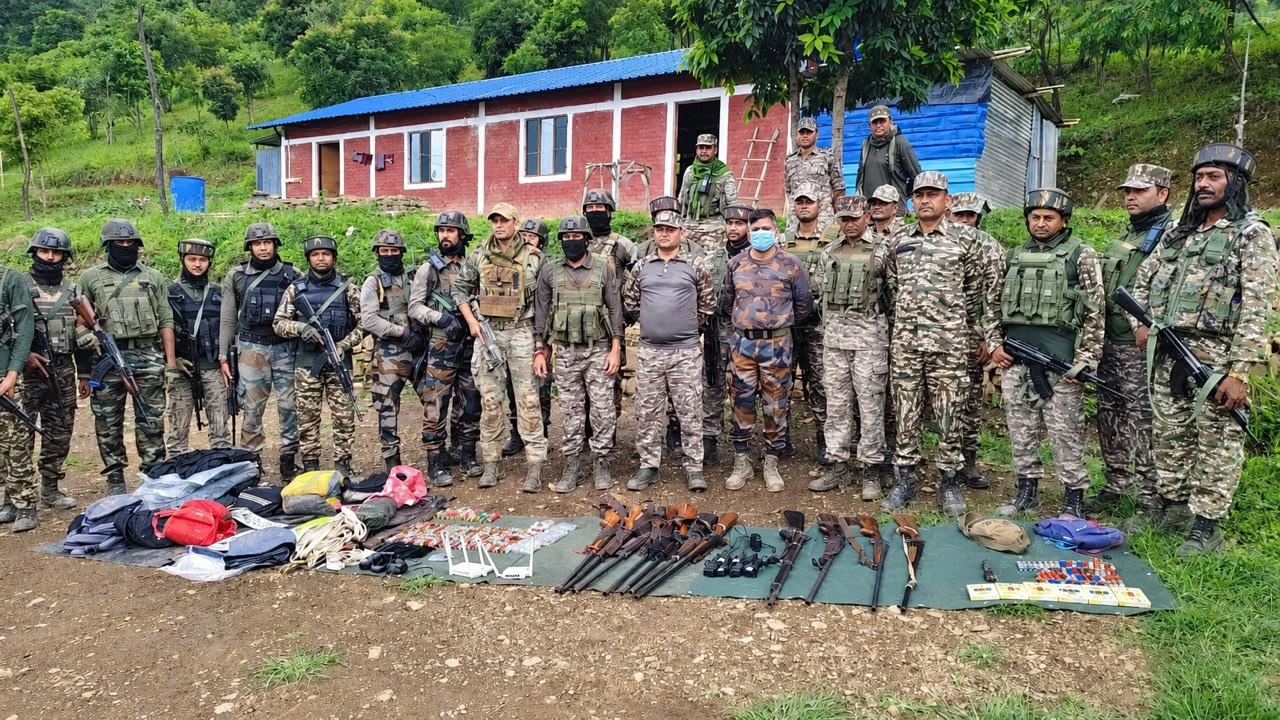
Imphal, June 24: Three prominent Naga organisations have strongly criticised the outcome of a recent security operation conducted in Manipur's Leilon Vaiphei area, alleging that despite surrounding a large group of armed militants linked to the abduction and killing of six Naga civilians, security forces failed to make any arrests and instead allowed the suspects to escape.
In separate statements issued on Tuesday, the Foothills Naga Co-ordination Committee (FNCC), the Naga People's Organisation (NPO) and the Naga Women's Union (NWU) questioned the conduct of the June 21 operation carried out by the CoBRA unit of the CRPF along with the Assam Rifles. The organisations demanded transparency, accountability and a time-bound investigation into the operation while reiterating their call for justice for the six Naga civilians whose bodies were recovered earlier this month.
The statements come nearly two weeks after the mutilated bodies of six Naga civilians, who were among 18 people abducted on May 13, were recovered on June 10. The killings have triggered widespread outrage across Naga civil society and intensified demands for action against those responsible.
According to the three organisations, reports from the ground indicated that security forces came under attack during the operation and exchanged gunfire while also using explosives. They claimed that nearly 100 armed cadres belonging to the KNF(P), UKNA and KRA were surrounded during the operation.
However, the organisations alleged that the operation ended without any arrests despite what they described as a rare opportunity to apprehend those accused of involvement in the abduction of 18 Naga civilians and the killing of six of them.
The FNCC expressed "shock, outrage and profound disappointment" over what it described as an ineffective operation. It alleged that instead of leading to arrests, the operation shifted towards negotiations before eventually being withdrawn.
The committee further claimed that the withdrawal followed intervention from political and security authorities after communication involving leaders allegedly associated with the insurgent group. According to the FNCC, repeated extensions were reportedly granted during the operation before security forces eventually pulled back, allowing the armed cadres to leave the area.
The organisation questioned who authorised the withdrawal and demanded that authorities explain why the operation concluded without apprehending any suspects despite the reported deployment of elite security forces.
Echoing similar concerns, the Naga People's Organisation said no visible outcome had emerged from the large-scale operation despite reports that armed insurgents had been surrounded.
The organisation also referred to reports that another movement of security personnel towards the KNF-P's Ebenezer Camp on June 23 similarly concluded without arrests.
The NPO said these developments had raised serious questions regarding the intent and execution of the security operations and urged Indian security agencies to ensure transparency, accountability and impartial enforcement of the law.
The organisation reminded authorities that the mortal remains of the six slain Naga civilians are still lying at the JNIMS mortuary awaiting justice. It also said a charter of demands has already been submitted to Union Home Minister Amit Shah and Manipur Chief Minister Yumnam Khemchand seeking concrete action.
The NPO additionally criticised the arrest and detention of peaceful protesters during demonstrations at Namdilong-Kanglatongbi in the early hours of June 24, describing such action as unjustified while justice for the victims remains pending.
Warning against what it described as excessive use of force on democratic protesters, the organisation stated that continued action against peaceful demonstrators could compel the Naga people to intensify their agitation, including by disrupting the movement of military convoys and supplies.
The Naga Women's Union also voiced concern over what it described as an imbalance in official priorities, stating that justice for the six victims has remained elusive more than a month after their abduction.
The union recalled that the victims were abducted on May 13 and their bodies were later recovered in a mutilated, beheaded and dismembered condition on June 10. It said repeated appeals from civil society and demands for accountability have yet to result in visible progress in identifying and prosecuting those responsible.
The NWU further questioned the continued facilitation of movement of members of the Kuki community through Naga-inhabited areas by security forces while bereaved families continue to await justice.
It also criticised what it termed the use of excessive force during the dispersal of demonstrators at Namdilong-Kanglatongbi on June 24, urging the government and security agencies to exercise restraint and sensitivity in handling public protests.
The union maintained that the foremost responsibility of the State is to ensure an impartial and time-bound investigation leading to prosecution of all those responsible for the killings. It also called for suspension of transportation of the alleged perpetrating community until competent authorities reach a transparent decision.
Across the three statements, the organisations shared a common demand for accountability from the security establishment and concrete action against those responsible for the killings.
They argued that public confidence has been weakened by the absence of arrests despite multiple security operations and urged authorities to restore trust through transparent investigations and effective law enforcement.
The organisations reiterated that justice for the six slain Naga civilians should remain the government's immediate priority and called upon both the State and Central governments to ensure that those responsible are identified, arrested and prosecuted without further delay.