NIT Rourkela researchers develop a low-cost ceramic adsorbent using industrial waste, achieving 95% dye removal from wastewater.
Rourkela, June 16: Researchers at the National Institute of Technology (NIT) Rourkela have developed an innovative and low-cost method to remove harmful dye pollutants from industrial wastewater using ceramic adsorbents made from industrial by-products. The technology offers a sustainable solution to a growing environmental challenge while also promoting the reuse of industrial waste materials.
The research was carried out by Prof. Sunipa Bhattacharyya, Associate Professor in the Department of Ceramic Engineering, along with research scholars Susant Mohapatra and Sourav Ranjan Satpathy. Their findings present a cost-effective approach to wastewater treatment while addressing the disposal challenges associated with industrial waste.
Industrial sectors such as textiles, dyeing and printing generate large quantities of coloured chemical effluents. These pollutants often find their way into rivers, lakes and other water bodies if not adequately treated. The presence of synthetic dyes in water can affect aquatic ecosystems, reduce water quality and pose risks to human health. Treating such wastewater remains a major challenge, particularly for industries seeking affordable and environmentally responsible solutions.
Conventional wastewater treatment methods often involve high operational costs, significant energy consumption and the generation of secondary waste streams. According to the researchers, these limitations have prompted efforts worldwide to identify alternative treatment technologies that are both effective and sustainable.
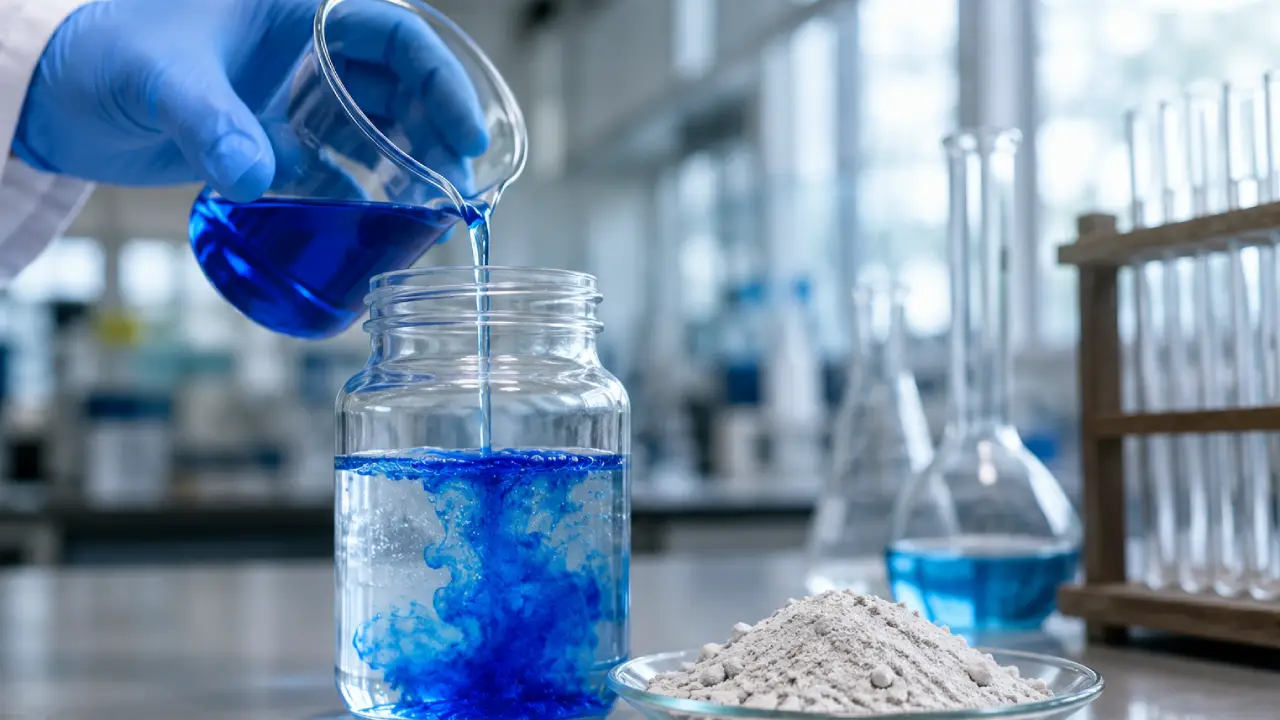
To address the issue, the NIT Rourkela team developed a water-based ceramic adsorbent using fly ash, Ground Granulated Blast-Furnace Slag (GGBS) and kaolin clay. Fly ash is a by-product generated during coal combustion in thermal power plants, while GGBS is produced during blast furnace operations in the iron and steel industry. Both materials are generated in large quantities and often create environmental and disposal concerns.
By incorporating these industrial by-products into the production of ceramic adsorbents, the researchers have demonstrated a way to convert waste materials into a useful product for environmental remediation. The developed adsorbent was specifically designed to remove Methylene Blue, a widely used dye commonly found in industrial wastewater.
Laboratory tests conducted by the research team showed promising results. The ceramic adsorbent achieved more than 95 per cent removal efficiency for Methylene Blue dye, indicating its potential as an effective treatment material for industrial wastewater.
Explaining a key feature of the research, Prof. Bhattacharyya said the team used raw kaolin clay instead of heat-treated metakaolin, which is commonly employed in geopolymer-based adsorbents. The decision eliminated an energy-intensive heating stage from the manufacturing process.
“A notable aspect of our research is the use of raw kaolin clay rather than heat-treated metakaolin, which is commonly employed in geopolymer-based adsorbents. By eliminating this energy-intensive heating step, we have been able to make the production process more sustainable and economically viable,” she said.
The researchers estimate that the ceramic adsorbent can be produced at a cost of approximately Rs. 25 to Rs. 50 per kilogram. This comparatively low production cost could make the technology attractive for industries seeking affordable wastewater treatment options without compromising efficiency.
The study has been published in the journal Chemistry Select. According to the researchers, the work aligns with the goals of the United Nations Sustainable Development Agenda, particularly SDG 6, which focuses on Clean Water and Sanitation, and SDG 12, which promotes Responsible Consumption and Production.
Looking ahead, the research team plans to expand the scope of the technology by developing porous shaped adsorbents made from waste materials and evaluating their effectiveness against a wider range of pollutants. Such advancements could increase the applicability of the technology across different industrial sectors.
The researchers believe the project demonstrates how waste generated by one industry can be repurposed to solve environmental challenges in another. By combining waste utilisation with wastewater treatment, the technology offers a practical example of sustainable resource management and circular economy principles in action.