IPFM and DMCC demand immediate abrogation of the SoO agreement, justice for six slain Naga civilians, and allege bias in security operations in conflict-hit Manipur.
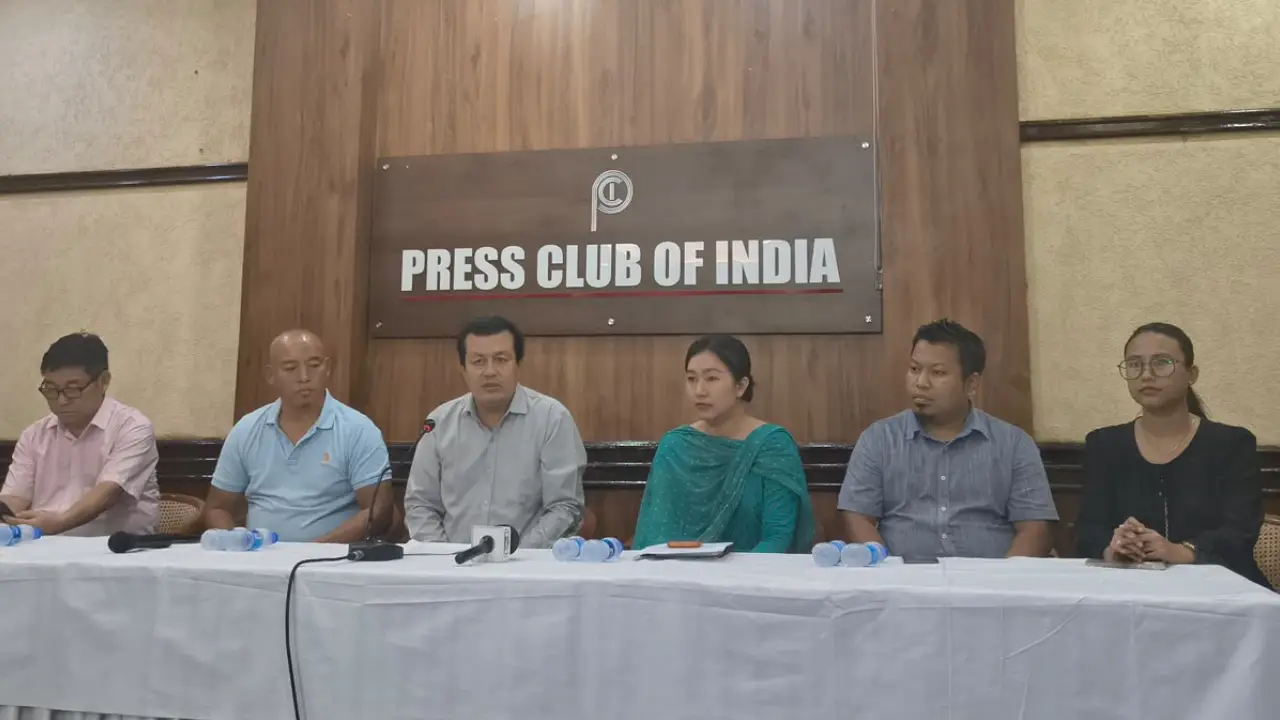
New Delhi/Imphal, July 21: The Indigenous People's Forum, Manipur (IPFM) and the Delhi Meetei Coordination Committee (DMCC) have jointly called for the immediate abrogation of the Suspension of Operations (SoO) agreement with Kuki militant groups, alleging that the arrangement has failed to deliver peace and has instead enabled continued violence, extortion and insecurity in Manipur.
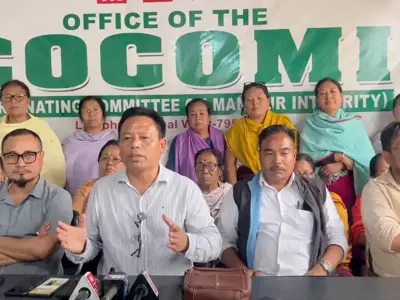
Addressing a press conference at the Press Club of India on July 20, the two organisations also demanded the swift arrest and prosecution of all remaining accused in the killing of six Naga civilians whose bodies were recovered near Leilon Vaiphei on June 10, asserting that justice has remained incomplete despite the identification and arrest of some suspects.
Expressing solidarity with the bereaved families, IPFM and DMCC described the killings as one of the most disturbing incidents during the ongoing ethnic conflict in Manipur.
The organisations stated that more than a month had passed since the recovery of the bodies but alleged that the principal perpetrators had yet to be apprehended. According to the joint statement, such delays create an atmosphere of impunity and undermine public confidence in the criminal justice system.
They further referred to remarks made by the Kuki-Zo Council acknowledging that the killings were a "grave mistake" committed by members of the Kuki-Zo community. While taking note of that acknowledgment, the organisations argued that words alone were insufficient and insisted that those responsible must be brought before the law.
The statement contrasted the killings with what it described as the humanitarian release of 14 Kuki individuals by members of the Naga community, while alleging that six Naga hostages had been tortured and killed. It also claimed that survivors reported severe physical and psychological abuse, including allegations that captives were forced to consume unknown meat and that women who survived captivity continue to suffer from post-traumatic stress.
The organisations also linked the incident to other episodes of violence during the conflict, including killings and abductions involving Meetei civilians in Jiribam, arguing that such attacks form part of a broader pattern of targeted violence against indigenous communities.
A major focus of the press conference was the demand to terminate the Suspension of Operations agreement, originally signed in August 2005 between the Government and several Kuki militant groups.
According to IPFM and DMCC, the agreement has failed to achieve its intended objective of facilitating political dialogue and has instead allowed armed organisations to establish parallel structures while continuing violent activities.
The joint statement alleged that cadres operating under the SoO framework have been involved in abductions, extortion, intimidation of commercial transport operators along National Highway-37, cross-border movement, illegal arms trafficking and narcotics-related activities.
The organisations further alleged that monitoring mechanisms under the SoO agreement have become ineffective, claiming that repeated absenteeism during joint inspections has enabled cadres to leave designated camps without facing consequences.
As an example, the statement cited the recent confrontation at Ireng Naga village, alleging that dozens of armed cadres entered the area, threatened residents and vandalised property in the presence of security personnel without any intervention or subsequent arrests.
They argued that such incidents raise serious constitutional concerns regarding equal protection under the law and questioned whether the State could continue extending protection and political engagement to armed groups accused of targeting civilians.
The organisations also criticised the overall security strategy adopted since the outbreak of ethnic violence on May 3, 2023.
According to the statement, the conflict has resulted in more than 260 deaths and displaced over 60,000 people while effectively dividing Manipur into segregated zones.
IPFM and DMCC alleged that "buffer zones" have disproportionately restricted the movement of Meetei and Naga communities while allowing greater mobility for armed Kuki cadres.
They further claimed that security operations, including disarmament drives and search operations, have focused primarily on Meetei and Naga areas, while alleged militant positions in Kuki-dominated regions have received comparatively less attention.
The organisations also referred to the voluntary surrender of weapons by certain Meetei groups following appeals by the Governor, contrasting this with public statements by some Kuki armed organisations indicating that they would not disarm unless their political demand for a separate administrative arrangement was fulfilled.
Describing the situation as an "asymmetrical security response," IPFM and DMCC alleged that SoO groups continue receiving government stipends while remaining protected from military action despite accusations of involvement in violent activities.
The organisations strongly condemned the arson attack at Kanto Sabal in Imphal West on July 11, in which several houses, including that of former footballer Laitonjam Sanathoi, were destroyed by fire.
According to the statement, the attack occurred within close proximity of major Army installations at Leimakhong. IPFM and DMCC questioned why security personnel allegedly did not intervene despite the proximity of military camps.
The statement also referred to the unresolved disappearance of Meetei civilian Kamal Babu from the same region, urging authorities to expedite investigations into that case.
Additionally, the organisations criticised the reported use of force by security personnel against villagers who attempted to extinguish the fires, alleging that lathi charges and tear gas were used to disperse local residents.
The joint statement criticised both the Central and State Governments for what it described as a failure to provide effective leadership in addressing the prolonged conflict.
IPFM and DMCC alleged that intelligence-based operations against Kuki militant groups have remained inadequate while claiming that security arrangements have disproportionately favoured one community over others.
Among the allegations were selective disarmament operations, insufficient action against militant camps along the Myanmar border and what the organisations described as unequal security protection for vulnerable civilians.
Responding to a recent press conference by the Kuki-Zo Council, the organisations stated that while they acknowledged the suffering experienced by civilians across communities, they believed the Council's statement offered insufficient accountability regarding the killing of the six Naga civilians.
They argued that acknowledging the killings without facilitating the arrest of those responsible could not substitute for criminal accountability.
The statement also criticised the Council for not addressing allegations of illegal extortion by armed groups operating in Kuki-majority areas and referred to the September 2024 drone attack at Koutruk, which resulted in civilian casualties.
IPFM and DMCC further opposed the Kuki-Zo Council's continued demand for a separate administration in the form of a Union Territory with Legislature, arguing that such a proposal would undermine Manipur's territorial integrity and create new uncertainties regarding the future security of communities living in the affected areas.
Concluding the press conference, IPFM and DMCC placed four principal demands before the Government:
Immediate abrogation of the Suspension of Operations agreement with all Kuki militant groups.
Strictly neutral security operations and recovery of illegal weapons from all communities without discrimination.
Immediate action against KNFP Chairman Thangboi Kipgen, while also demanding the resignation of Deputy Chief Minister Nemcha Kipgen on what they termed moral grounds because of alleged familial links. (The organisations made this allegation; no official response from the Deputy Chief Minister or the Government was presented during the press conference.)
Expedited arrest and prosecution of all remaining accused in the killing of the six Naga civilians and other pending cases related to the conflict.
The organisations concluded by stating that lasting peace in Manipur could only be achieved through equal application of the law, accountability for all perpetrators regardless of community, and justice for every victim, while reiterating their commitment to preserving the state's unity and territorial integrity.
Editorial note: The allegations and demands reported above were made by the Indigenous People's Forum, Manipur (IPFM) and the Delhi Meetei Coordination Committee (DMCC) during their press conference. Many of the allegations concern ongoing investigations or matters of public controversy, and official responses from the Government of India, the Government of Manipur, security agencies, or individuals named in the statement were not included in the organisations' release.