A NABARD-supported Nagaland University project has enabled 60 women SHG members in Zunheboto to earn over Rs 30.8 lakh through scientific backyard poultry farming and low-cost egg incubators.
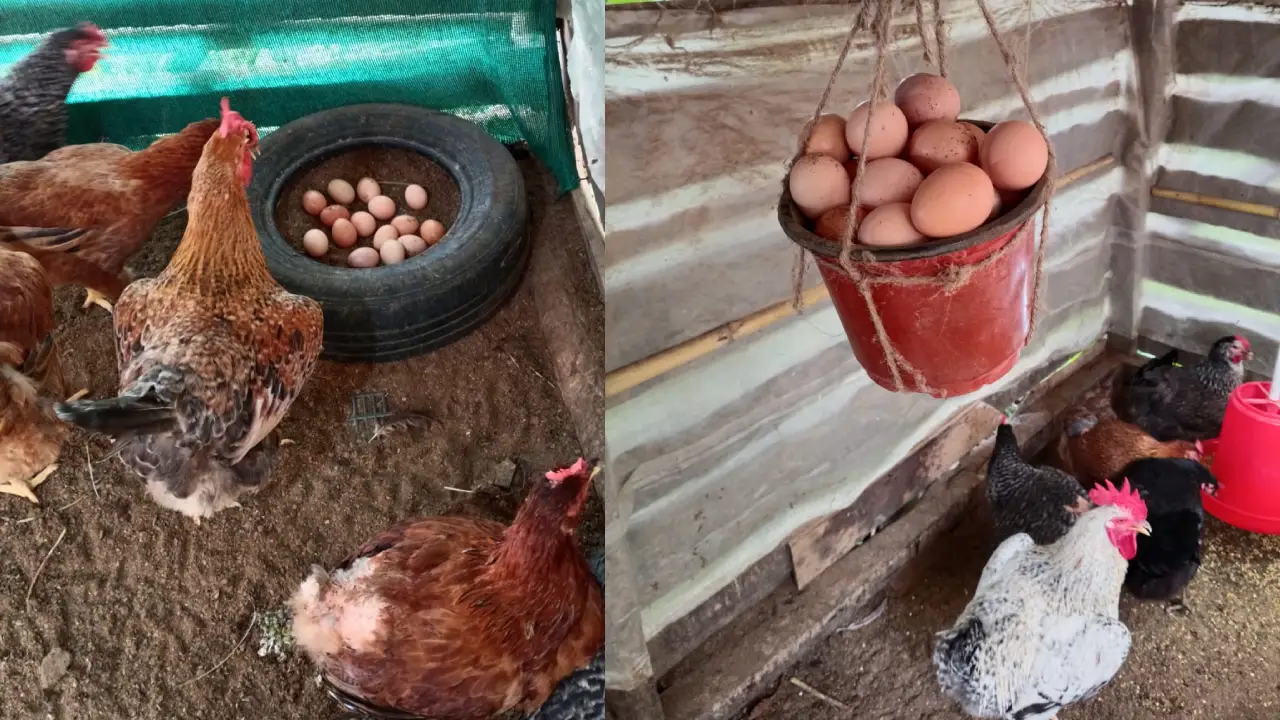
Kohima, July 14: A community-based backyard poultry initiative led by Nagaland University has emerged as a successful model for improving rural livelihoods and nutritional security, with 60 women belonging to self-help groups (SHGs) in Zunheboto district collectively earning more than Rs 30.8 lakh through scientific poultry farming.
Implemented by the Krishi Vigyan Kendra (KVK), Zunheboto, under Nagaland University with financial assistance from the National Bank for Agriculture and Rural Development (NABARD), the project introduced low-cost egg incubators and improved backyard poultry practices to women across five villages in Akuluto block.
Besides generating substantial income, the programme has increased the local production of poultry meat and eggs, helping address the state's long-standing dependence on imported poultry products while strengthening household nutrition.
Tackling Nagaland's Poultry Deficit
The initiative comes at a time when Nagaland continues to face a significant gap between the demand and supply of poultry products.
According to the Annual Administrative Report (2022–23) of the Department of Animal Husbandry and Veterinary Services, the state records an annual deficit of more than 1,520 lakh eggs and nearly 38.5 metric tonnes of poultry meat. This shortfall has made locally sustainable poultry production a priority for improving food security and reducing dependence on supplies from outside the state.
Recognising this challenge, KVK Zunheboto designed a community-driven intervention centred on scientific backyard poultry farming, which is often considered one of the most affordable and accessible livelihood options for rural households.
The project, titled "Promoting Sustainable Livelihood and Nutritional Security of Women SHGs through Low-Cost Egg Incubator and Backyard Poultry Production," was spearheaded by Dr. Rakesh Kumar Chaurasia, Principal Scientist and Head of KVK Zunheboto, along with the KVK team under Nagaland University.
Throughout the implementation period, the team provided technical guidance, conducted regular field visits, monitored poultry health and diseases, and organised capacity-building programmes to help farmers adopt improved management practices.
Empowering Women Through Science
The programme covered 60 women SHG members from Sumisettsu, Zaphumi, Lumami, Alaphumi and Shichimi villages in Zunheboto district.
Each beneficiary received comprehensive support that extended beyond simply distributing chicks.
Participants underwent scientific training in backyard poultry management and were supplied with Rainbow Rooster day-old chicks, starter feed for the first 20 days, vaccination and medication support, poultry equipment and specially designed low-cost egg incubators capable of producing chicks throughout the year.
Unlike conventional poultry farming, where farmers often depend on external hatcheries for chicks, the incubators enable villages to produce chicks locally, ensuring a steady and affordable supply while reducing transportation costs and mortality associated with long-distance movement.
The intervention also trained beneficiaries in scientific feeding techniques, low-cost poultry housing, disease prevention, vaccination schedules and feed formulation using locally available resources, helping farmers reduce production costs while improving productivity.
Rs 30.8 Lakh Income Generated
The project has already produced encouraging economic outcomes. According to data released by Nagaland University, beneficiary households collectively consumed 1,380 birds while selling another 2,135 birds during the reporting period.
This translated into an average increase of 66.7 kilograms of poultry meat available for household consumption while generating a cumulative income of Rs 30,80,360.
On average, each participating beneficiary earned a net income of approximately Rs 32,592, providing an important supplementary source of earnings for rural families.
The programme also resulted in the production of 22,618 eggs, many of which were consumed within households, while the remainder were sold in local markets, contributing both to improved nutrition and additional income.
Project officials believe earnings are likely to rise further as the birds attain full laying capacity and farmers begin marketing larger quantities of eggs, chicks and culled birds.
Local Chick Production Reduces Dependence
One of the project's most significant innovations has been the introduction of village-level low-cost egg incubators.
Dr. Rakesh Kumar Chaurasia said the incubators have already begun producing chicks within the villages, creating a sustainable local supply chain that could reduce dependence on commercial hatcheries located outside the district.
He explained that locally produced chicks would not only benefit participating SHGs but also support neighbouring poultry farmers by improving access to quality chicks at lower costs.
According to him, the initiative has gone beyond income generation by creating locally managed livelihood opportunities for women, reducing drudgery and strengthening household food security.
The scientific training imparted under the programme is expected to continue benefiting farmers long after the project's completion, enabling them to independently manage poultry enterprises using locally available resources.
Vice-Chancellor Highlights University's Role
Nagaland University Vice-Chancellor Prof. Jagadish K. Patnaik described the initiative as an example of how scientific research can directly improve the lives of rural communities.
He stated that the success of the NABARD-assisted backyard poultry project reflects the university's commitment to empowering rural households through science, innovation and agricultural extension.
According to him, equipping women SHGs with scientific poultry farming techniques and low-cost incubation technology has simultaneously enhanced livelihoods, improved nutritional security and promoted sustainable rural development.
Prof. Patnaik congratulated the beneficiaries, project partners and the KVK team for the successful implementation and expressed confidence that the model could inspire similar interventions across Nagaland and the wider Northeast.
Research Published in International Journal
The impact of the project has also received academic recognition. Its findings have been published in the International Journal of Agriculture Extension and Social Development, a peer-reviewed journal that focuses on agricultural extension, rural development, agricultural education and the social dimensions of agriculture and allied sciences.
The publication documents how integrating scientific extension services with community participation can create sustainable livelihood opportunities while addressing nutritional deficiencies in rural areas.
A Replicable Model for Remote Areas
Officials involved in the programme believe the initiative offers a scalable model for other remote parts of Nagaland where access to quality poultry inputs, veterinary services and technical guidance remains limited.
By combining scientific knowledge, community participation and financial support from NABARD, the project has demonstrated that backyard poultry farming can become more than a supplementary household activity.
Instead, it can serve as a sustainable rural enterprise that creates income, strengthens food security, promotes women's economic empowerment and contributes to reducing the state's dependence on imported poultry products.
For Nagaland University, the project also illustrates the growing role of university-led extension programmes in translating research into practical, field-level solutions that directly benefit rural communities while addressing broader developmental challenges.