DMCC condemns the prolonged displacement of Manipur IDPs, with relief-camp protests on Independence Day and demands for safe return and removal of buffer zones.
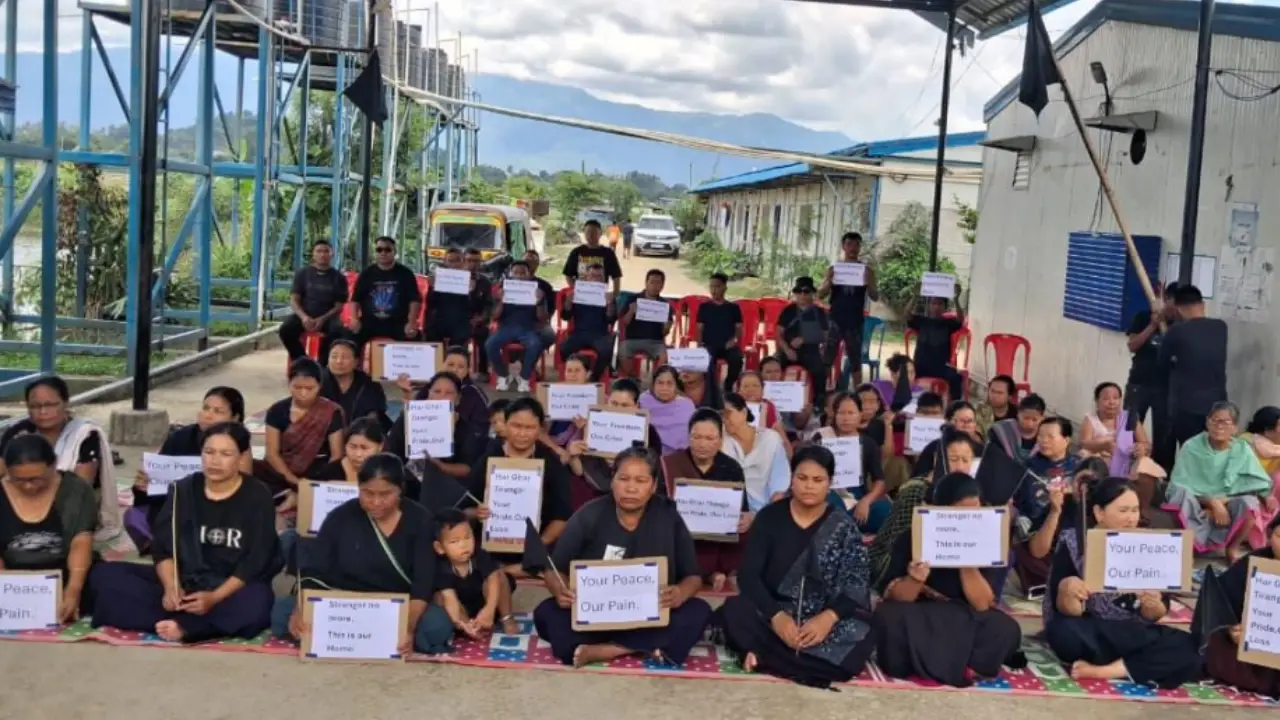
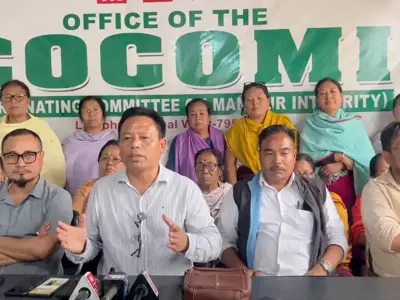
Imphal, August 15: The Delhi Meetei Coordinating Committee (DMCC) has condemned the continued displacement of more than 60,000 families in Manipur, saying the prolonged stay of internally displaced persons (IDPs) in relief camps has left thousands unable to return to their ancestral homes.
In a press release issued on Independence Day, the DMCC stated that IDPs staying in different relief camps across Manipur observed the day by hoisting black flags, wearing black clothes and holding sit-in protests.
The organisation maintained that the protests were not a rejection of Independence Day or its significance, but an appeal to the Government of India and the Government of Manipur to address the condition of displaced people and facilitate their safe return.
The DMCC said it remained committed to the unity, sovereignty and territorial integrity of India. At the same time, it argued that for thousands of people displaced within their own state, the meaning of independence remains unfulfilled while they are unable to return home.
According to the organisation, the protests were intended to draw attention to the difficulties faced by IDPs, including prolonged uncertainty and limited access to basic necessities. The DMCC described the situation as a violation of fundamental rights guaranteed under the Constitution and argued that prolonged displacement restricts citizens' ability to return to and move freely within their homes and communities.
The organisation also referred to the conflict that began in May 2023 and said it had resulted in the loss of more than 260 lives and the emergence of informal buffer zones separating communities.
The DMCC criticised these buffer zones, arguing that they have effectively institutionalised displacement and restricted movement between parts of the state. It demanded their immediate removal and called for free movement and access to all areas of Manipur for citizens irrespective of ethnicity.
"The only legitimate boundary in Manipur is the state's international border," the organisation stated, opposing internal divisions created as a consequence of the conflict.
The DMCC said the black-flag protests at relief camps represented the anguish of families who have remained away from their homes and were intended to remind authorities of the continuing humanitarian situation.
The organisation further called for government action to restore the rights, dignity and security of displaced citizens, arguing that Independence Day should also serve as an occasion to assess whether citizens are able to exercise their fundamental rights.
The DMCC called for the immediate and safe return of all internally displaced persons to their ancestral homes. It urged both the Manipur and Central governments to facilitate a secure and dignified return.
Second, it demanded the immediate dismantling of all buffer zones within Manipur, stating that no internal division of the state should be recognised or tolerated.
Third, the organisation reiterated its demand for what it described as an end to the alleged appeasement of Kuki militant groups. It also called for the abrogation of the Suspension of Operations (SoO) agreement, alleging that the arrangement has enabled continued attacks on Meitei villages.
Fourth, the DMCC demanded the immediate restoration of the fundamental rights of all displaced citizens.
The organisation concluded by describing the IDPs' Independence Day protests as a peaceful expression of their grievances and appealed to the authorities to address their demands and facilitate their return home.