Fifteen rare 8mm film reels documenting early Manipur, including footage by Maharaj Kumar Priyabrata Singh and Kongbrailatpam Ibohal Sharma, will undergo professional preservation digitisation in Italy through an international archival collaboration.
Imphal, August 7: Fifteen rare 8mm celluloid film reels believed to contain some of the earliest moving images of Manipur are set to undergo professional inspection, cataloguing and preservation digitisation in Italy under an international collaboration aimed at safeguarding the state's audiovisual heritage.
The preservation initiative is being undertaken jointly by the SN Chand Cine Archive & Museum (SNCCAM) of the Manipur State Film Development Society (MSFDS) and the Home Movies Foundation – National Family Film Archive in Bologna, Italy.
According to a press release issued by MSFDS, the fragile reels are believed to contain footage shot by Maharaj Kumar Priyabrata Singh and Kongbrailatpam Ibohal Sharma, two of the earliest Manipuri practitioners to extensively use 8mm cameras for documenting the state's people, landscapes and cultural traditions.
Visual record dating back to 1935
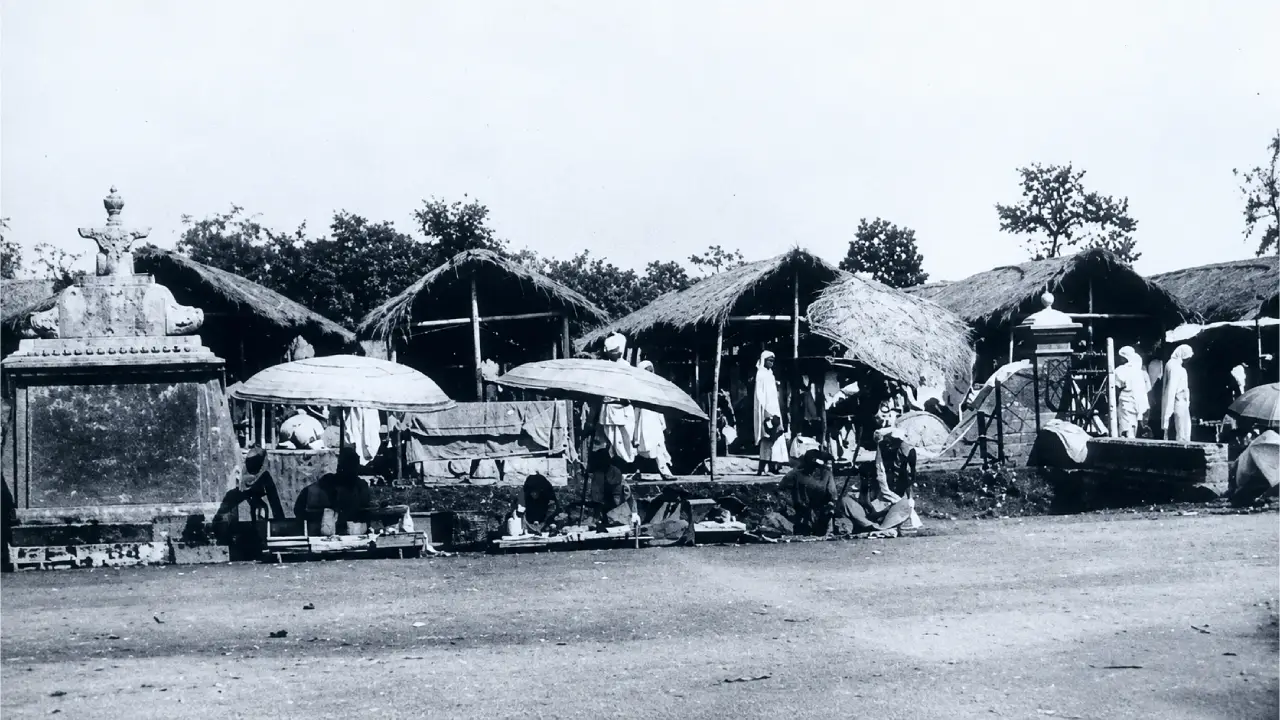
MSFDS said Maharaj Kumar Priyabrata Singh began filming Manipur as early as 1935, using a Bell & Howell 8mm camera to record everyday life, indigenous culture and natural landscapes at a time when filmmaking equipment was beyond the reach of most people.
Working alongside Kongbrailatpam Ibohal Sharma, popularly known as PB, he used the camera not for commercial filmmaking but to create what is now regarded as an invaluable visual record of a society in transition.
The archive noted that the reels may preserve unique images of a way of life that has since undergone profound changes, making them important historical documents as well as cinematic artefacts.
International-standard preservation
SNCCAM has entered into discussions with the Bologna-based Home Movies Foundation for the professional assessment and preservation of the collection.
Following discussions with Foundation Director Paolo Simoni, the reels are proposed to undergo preservation digitisation according to internationally accepted archival standards rather than being simply converted into digital viewing copies.
The planned work will include detailed physical and chemical condition assessments, conservation reports and cataloguing using internationally recognised metadata standards. Officials said the process will help determine the safest preservation methods while ensuring the original film elements are protected for future generations.
Donated by X-Cine
The 15 reels form part of a larger collection of 25 reels donated to SNCCAM by X-Cine, the production house established by Kongbrailatpam Ibohal Sharma.
The organisation is now managed by his son, K. Bimol Sharma, a cinematographer, editor and filmmaker, who donated the collection to the state archive as part of efforts to preserve Manipur's early film heritage.
MSFDS said the collaboration emerged from professional connections established by Dr. Johnson Rajkumar, Principal Film Conservationist of SNCCAM, during his participation in the FIAF Film Restoration Summer School 2026 and the 40th Il Cinema Ritrovato Festival in Bologna, Italy.
Held between June 19 and July 12, the programme was conducted at L'Immagine Ritrovata and associated institutions. Dr. Rajkumar was the only participant from India selected for the specialised training programme.
The training covered film inspection, conservation, restoration, digitisation, archival management and exhibition. It also included laboratory sessions and lectures by experts associated with institutions such as the George Eastman Museum, the British Film Institute, the Library of Congress and Warner Bros. Discovery Archives.
According to his training report, the programme significantly enhanced his technical understanding of film preservation while helping establish professional networks with leading archival institutions and specialists.
MSFDS said the collaboration with the Home Movies Foundation represents one of the first tangible outcomes of those international connections and marks another milestone in Manipur's efforts to rescue and preserve endangered audiovisual materials, many of which survive only in fragile and scattered film collections.
If successfully preserved, the 8mm reels could offer one of the earliest surviving visual records of Manipur's social and cultural life, providing future generations with an invaluable glimpse into the state's past.