MIYC condemns the killing of four Naga civilians in Kangpokpi and calls for an independent probe, accountability and scrutiny of identity-based violence.
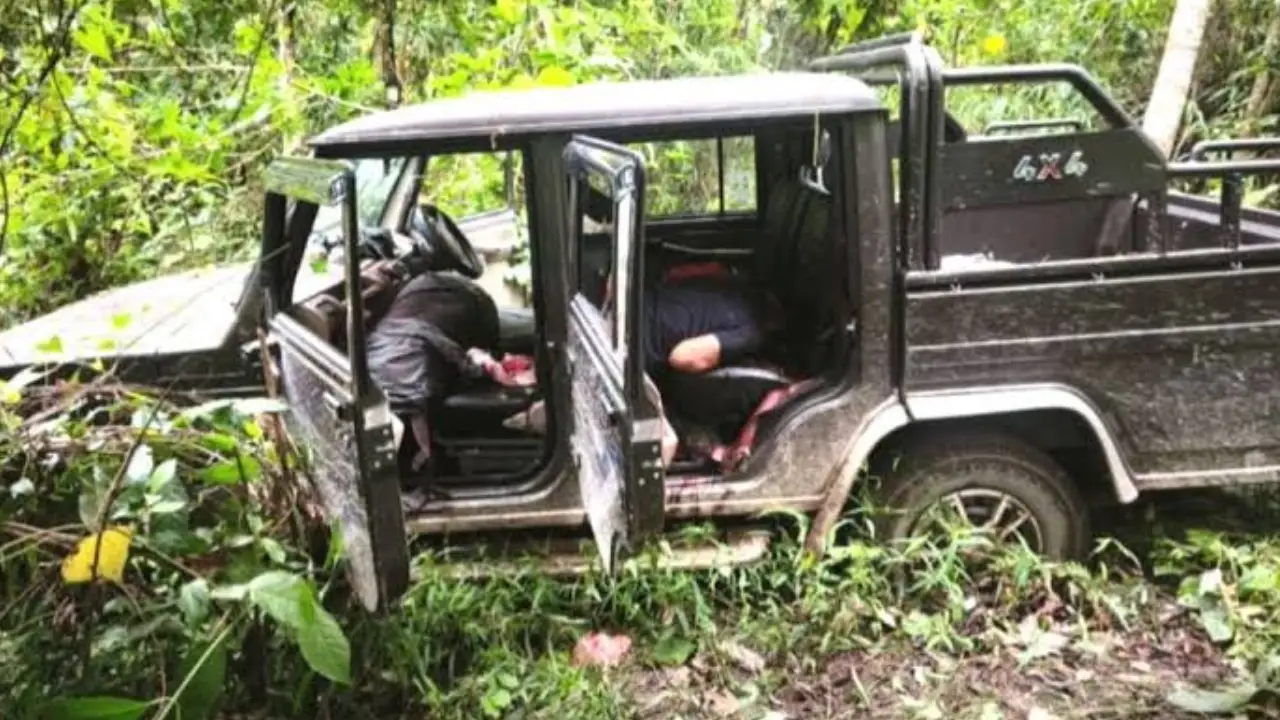
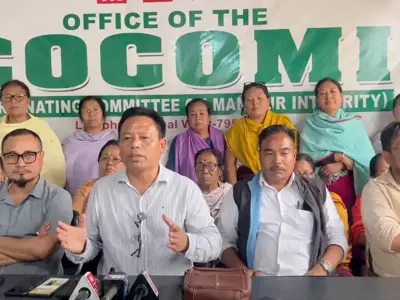
Imphal, August 29: The Manipur International Youth Centre (MIYC) has condemned the killing of four Naga civilians and the injury of another person in an armed ambush along the Imphal-Tamenglong Road in Kangpokpi district on August 27, calling for an independent investigation, prosecution of those responsible and wider scrutiny of the violence.
In a press release issued on August 29, MIYC president MK Saroj Khan described the killing of unarmed civilians as unjustifiable and urged the governments of India and Manipur to establish a credible investigation into the incident.
The organisation also called for the identification and prosecution of all perpetrators, commanders and others found responsible, irrespective of their ethnicity or organisational affiliation.
MIYC said the latest killings should be examined in the context of the wider pattern of communal violence, displacement, disappearances, abductions and civilian killings reported in Manipur in recent years.
MIYC invokes international humanitarian law
The organisation referred to Common Article 3 of the Geneva Conventions of 1949, which sets minimum protections for people taking no active part in hostilities during non-international armed conflicts.
According to MIYC, murder, violence against life and person, cruel treatment and other inhumane acts against civilians are prohibited under the provision. It also referred to the principle of distinction between civilians and those directly participating in hostilities.
MIYC further cited international human rights law and the protection of the right to life, arguing that arbitrary deprivation of life is prohibited.
The organisation said deliberate or indiscriminate attacks on civilians could constitute serious violations of international humanitarian law and warrant investigation.
Calls for investigation into possible pattern of identity-based killings
MIYC said particular attention should be given to incidents in which civilians belonging to an identifiable ethnic or community group are allegedly selected because of their identity.
It called for an independent examination of whether repeated attacks demonstrate a broader pattern, organisational involvement or criminal intent.
The organisation also raised the possibility of investigating whether evidence could point to war crimes, crimes against humanity, genocide or other serious international crimes.
At the same time, MIYC acknowledged that genocide has a specific legal definition and requires proof of an intent to destroy, in whole or in part, a protected national, ethnic, racial or religious group.
It maintained that any such determination must be based on evidence and made through a competent legal investigation.
MIYC raises KNO's Geneva Call commitments
MIYC also referred to commitments it said had previously been undertaken by the Kuki National Organisation (KNO) through Geneva Call Deeds of Commitment signed on March 22, 2015, concerning anti-personnel mines, protection of children, and prohibition of sexual violence and gender discrimination.
The organisation argued that such commitments, along with applicable humanitarian principles, require the protection of civilians and prohibit attacks against them.
MIYC called for an investigation into whether individuals associated with organisations operating under the Suspension of Operations (SoO) framework were involved in the August 27 attack.
It further said the SoO process, which was intended to reduce violence and facilitate dialogue, should not become a shield against criminal accountability.
Seven demands placed before governments
MIYC urged the Government of India and the Manipur government to constitute an independent investigation into the killings and injury of the survivor.
It also demanded that authorities identify and prosecute perpetrators and commanders responsible, investigate possible involvement of individuals linked to SoO organisations, and ensure that ceasefire or SoO arrangements do not prevent criminal accountability.
The organisation further called for independent human rights and humanitarian scrutiny if domestic investigations fail to command public confidence.
It sought protection for vulnerable civilian communities without discrimination and a wider investigation into identity-based killings to determine whether evidence indicates serious violations of international law.
‘Justice is indispensable to peace’
MIYC maintained that peace in Manipur cannot be achieved through selective justice, collective blame or acceptance of civilian deaths.
The organisation said no community should be collectively punished for the actions of armed individuals, while armed organisations should not be shielded from accountability if their members are found responsible for crimes against civilians.
It appealed to all armed actors and SoO groups in Manipur to respect international humanitarian law, distinguish civilians from combatants and stop attacks on civilian populations.
“The bloodshed in Manipur must end,” MIYC said, adding that the victims' families deserve truth and justice and that ethnic identity should not become a reason for civilians to fear for their lives.