
Scientists at CSIR-NEIST have found promising antidiabetic compounds in a bacterium isolated from Manipur's traditional fermented soybean food, Hawaijar, in a new study.
Read More
Ancient Kangleipak divided a day into 64 time units and eight watches, using water clocks, gong rhythms, octal system and clan-based duties to regulate time.
Read More
As digital resources reshape education, students can increasingly learn independently. The challenge is helping them move from tuition dependence towards guided, confident self-directed learning.
Read More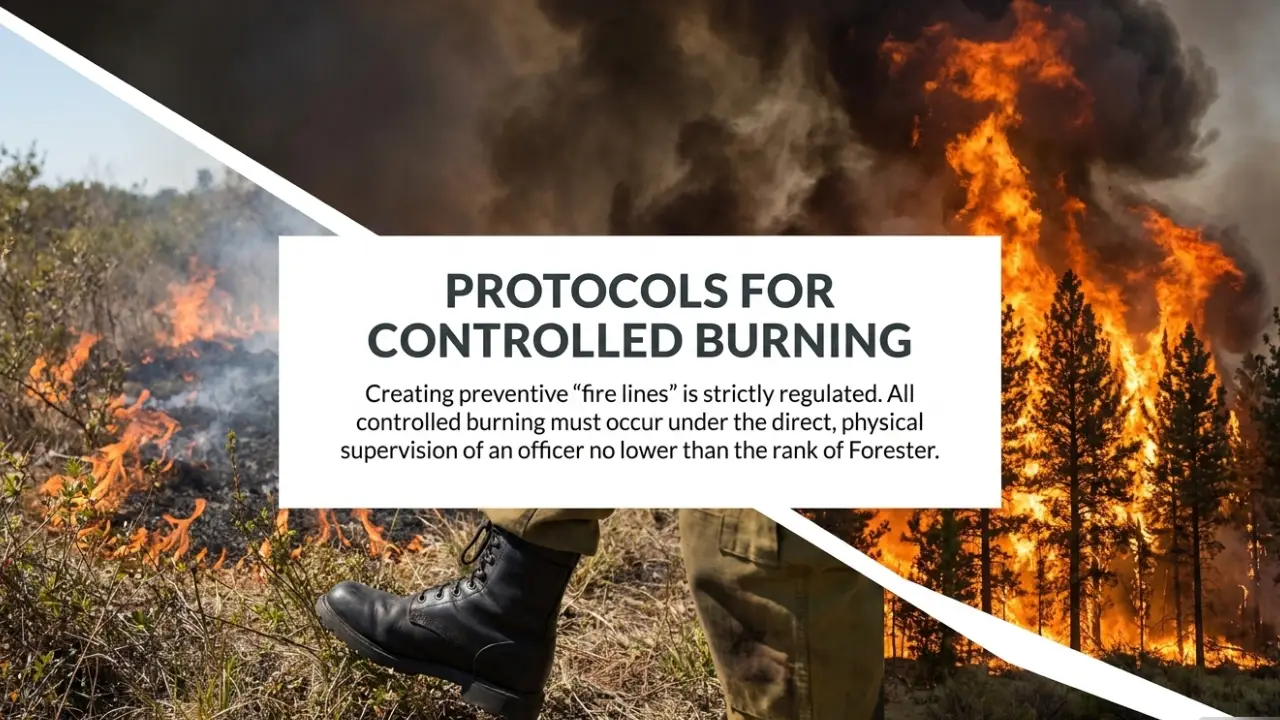
Manipur Forest Department has issued a detailed forest fire SOP covering village committees, satellite alerts, rapid response teams, ecological risks, equipment audits and legal action.
Read More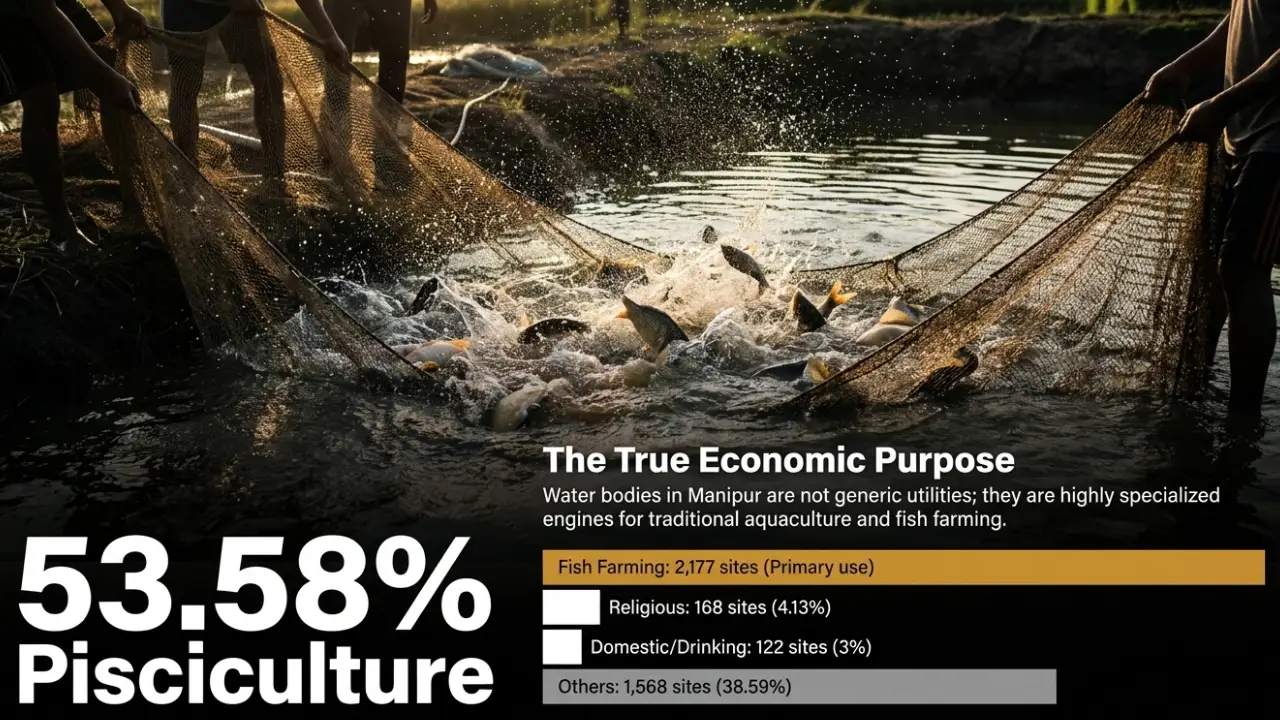
Manipur's second Water Bodies Census counts 4,374 sites, up 163.8% since the first. Small private ponds dominate and fish farming leads use, but unused sites are rising and irrigation use is minimal.
Read More
The 248th Heikru Hidongba, tracing back to King Irengba (984 CE) and revived under King Bhagyachandra, was celebrated with sacred rituals, boat race and Governor Ajay Kumar Bhalla in attendance.
Read More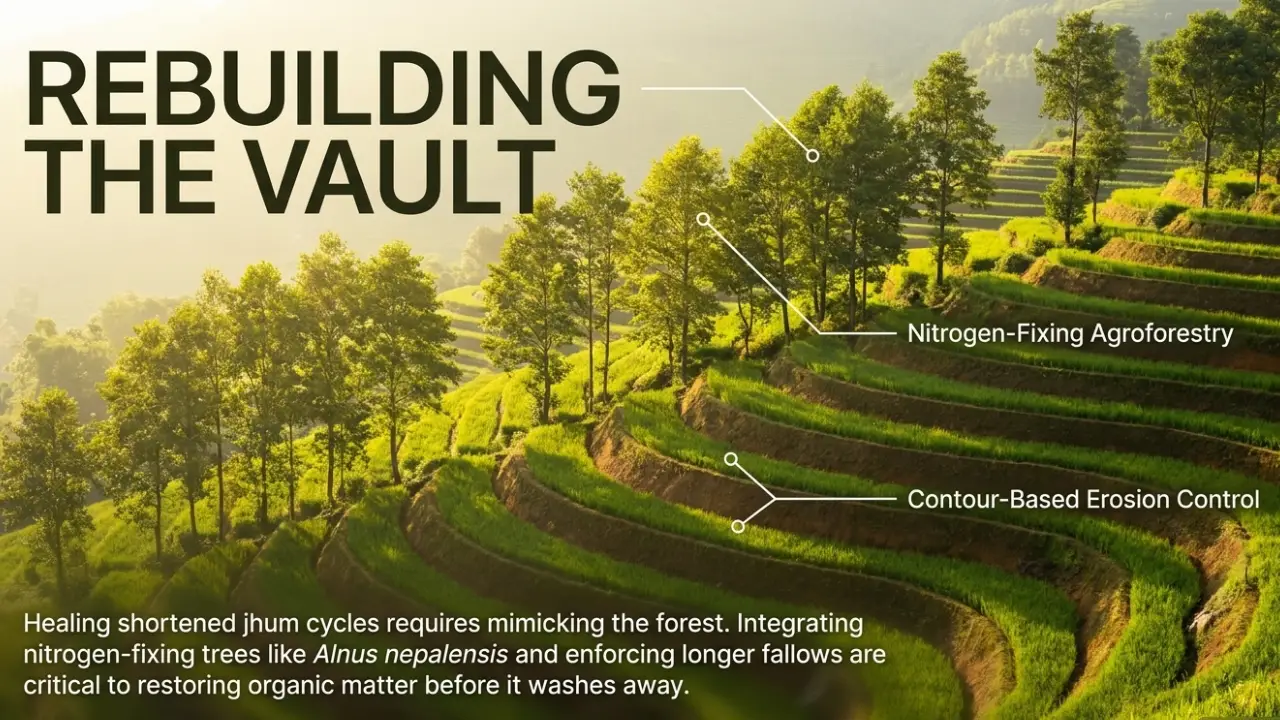
A Chandel study finds major differences in soil acidity, organic carbon and nutrients across forests, jhum, fallows, grasslands and paddy lands, raising concerns over hill soil health.
Read More
Manipur secures national recognition as the top-performing hill and northeastern state under NITI Aayog's IEMI 2025, even as the index flags weak private EV adoption and research gaps; Delhi, Maharashtra and Karnataka lead the overall national rankings.
Read More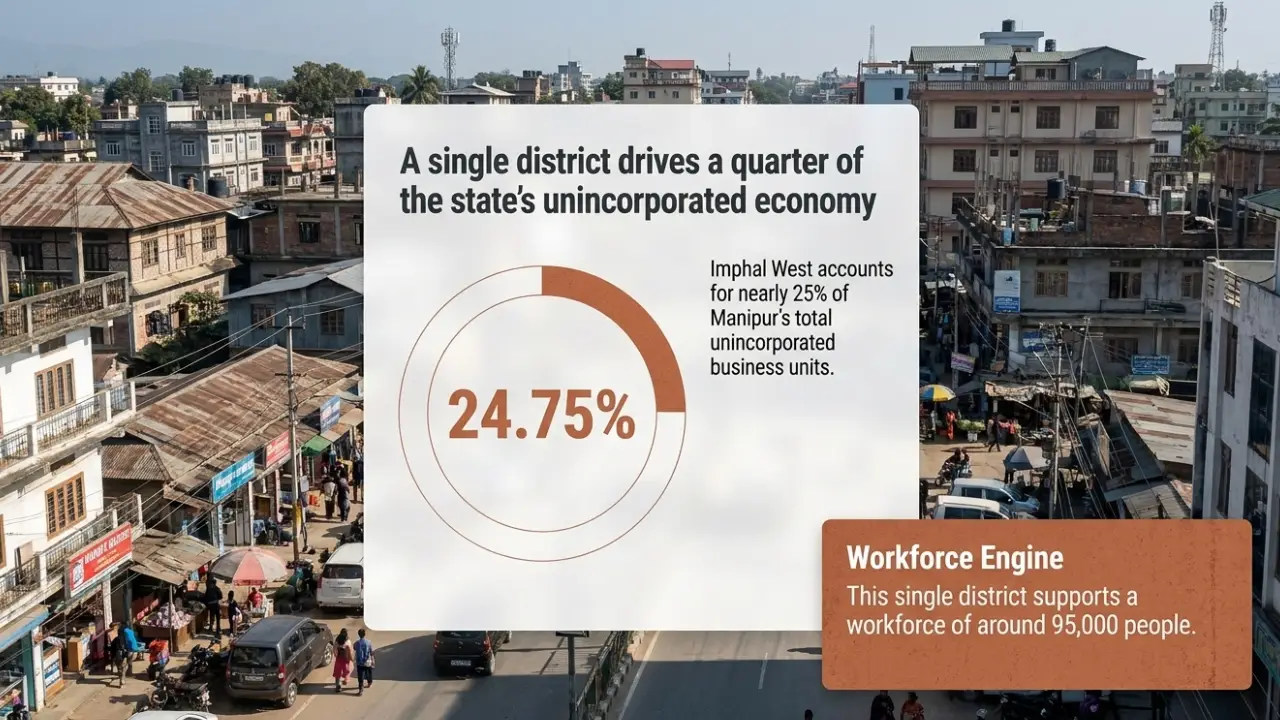
NSO’s ASUSE 2025 data shows Imphal West leads Manipur’s unincorporated economy, while Imphal East records 72% women-owned proprietary enterprises.
Read More
A critical review by Jiangampou Kamei explores Northeast India's ancient petroglyphs, with special focus on Manipur's living traditions, rituals and conservation challenges.
Read More